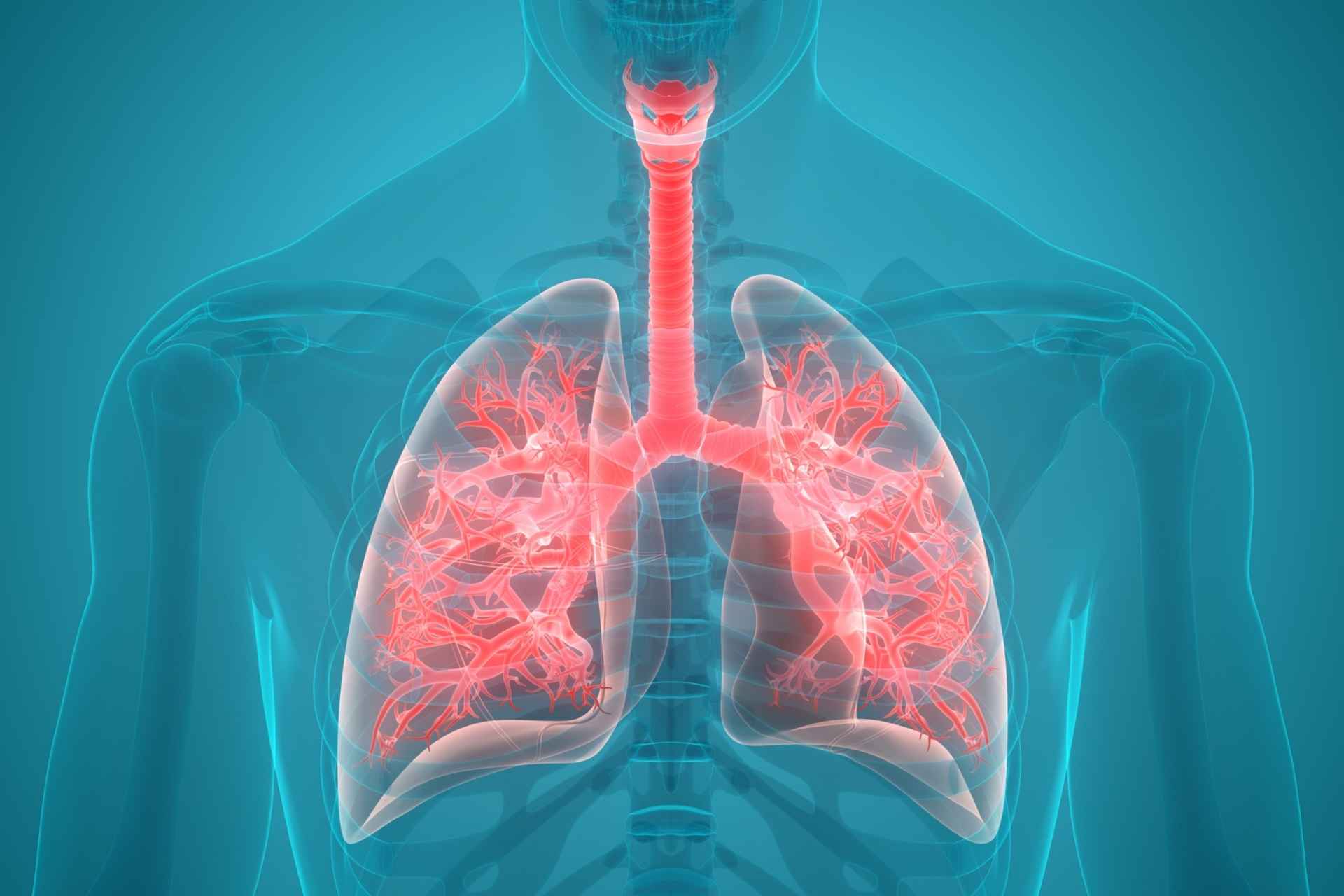
Pneumonia is one of the leading causes of death from infection, causing about 2.5 million deaths worldwide each year, especially among young children and older adults. Now, new research shows that pneumonia involves shifts in the entire lung microbial community, which interact with a person’s immune response.
The findings, published in Cell Host & Microbe, suggest that the composition of the lung microbiota is shaped by different factors and can influence pneumonia progression and treatment outcomes.
Scientists have known that pneumonia involves changes in the lung microbiota and is often associated with microbial imbalance rather than a single pathogen. However, how distinct lung microbiota “states” form, how stable they are over time, and how they relate to treatment outcomes is unclear.
To address this question, Jack Sumner at Northwestern University in Evanston, Illinois, and his colleagues analyzed the lung microbiota in critically ill patients with and without pneumonia.
Microbial fingerprint
Between 2018 and 2020, the researchers followed 248 people on breathing machines who were suspected of having pneumonia, collecting fluid samples from their lungs to study infections in detail. Doctors classified their conditions into community-acquired, hospital-acquired, or ventilator-associated pneumonia, and most cases were caused by bacteria.
By analyzing the patients’ lung microbiota, the researchers found that the type of pneumonia was linked to differences in which microbes were present in the lungs and how the patient’s immune cells behaved.
Pneumonia was linked to shifts in certain bacteria and microbial genes, including lower levels of some normally present microbes and higher levels of others, especially Staphylococcus species, which are often linked to infection and antibiotic resistance. About 36 to 46% of pneumonia samples had disrupted lung microbiotas.
Treatment outcomes
The researchers also found that critically ill patients tend to have a lung microbiota that fall into four main groups, or “pneumotypes”: skin-like, mixed, Staphylococcus-dominated, and oral-like. Each pneumotype had distinct levels of diversity, dominant bacteria, and traits such as antibiotic resistance.
Oral-like and Staphylococcus-dominated pneumotypes had the highest bacterial levels and greatest immune activation, while skin-like pneumotypes showed the lowest disruption. The oral-like pneumotype was associated with successful pneumonia treatment and recovery, while the skin-like pneumotype was linked to worse outcomes.
“We show that host and microbiota landscapes change in unison with clinical phenotypes and that microbiota state dynamics reflect pneumonia progression,” the authors say. “We suggest that distinct pathways of lung microbial community succession mediate pneumonia progression.”
 Latest related content