
Chloé Melchior, from Rouen University Hospital, France, explains why gastroenterologists and general practitioners should be able to recognize ARFID and adapt their therapeutic strategies accordingly.
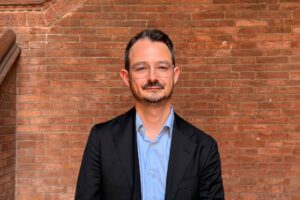
Tim Vanuytsel, Associate Professor and gastroenterologist at UZ Leuven, explores why research should look beyond the colon, particularly given the early onset of symptoms after food intake in many patients.

UCLA’s Lisa Chang explores differences in bowel habits, intestinal transit and pain, discussing how these factors relate to microbial composition and function.

Lukas Michaja Balsiger, KU Leuven, discusses findings linking upper abdominal bloating more closely to functional dyspepsia and lower abdominal bloating to irritable bowel syndrome (IBS).

William Fusco, Policlinico Gemelli, discusses the gut fermentation syndrome, a rare condition arising when ethanol-producing bacteria or fungi in the gut generate excessive amounts of alcohol from dietary carbohydrates.
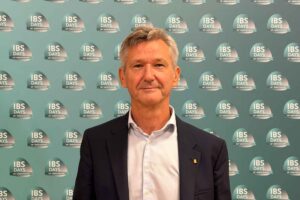
Guy Boeckxstaens of KU Leuven explains how mast cells may alter pain signalling through IgE dependent responses to food antigens and activation of the MRGPRX2 receptor.

Nathalie Vergnolle (Inserm, France) discussed the potential role of proteases in altering the intestinal mucus layer in irritable bowel syndrome (IBS).
William Fusco, gastroenterologist at Gemelli University Hospital in Rome, discusses the role of peppermint oil in the management of disorders of gut–brain interaction.

Maria Rescigno presents a preclinical study investigating a non-absorbable antibiotic with eubiotic properties in a mouse model of gastrointestinal toxicity induced by the chemotherapeutic agent 5-fluorouracil (5-FU).

According to Stephen Michael Collins, McMaster University, these vesicles may represent not only a new component of the microbiota–gut–brain axis, but also a promising platform for future targeted drug, vaccine…