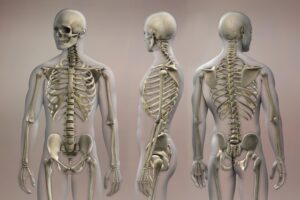
Antibiotics can alter the development of the skeleton by disrupting the gut microbiota and, consequently, affecting the immune system.
The gut microbiota differs between ethnic groups, a study led by Andrew Brooks at Vanderbilt University in Nashville and published in PLOS Biology claims.
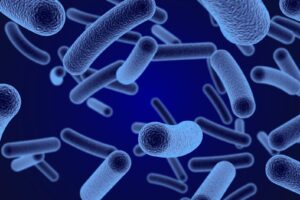
Thanks to advanced computational tools, scientists have identified nearly 2,000 new species of gut bacteria. A step towards understanding the microbiota.
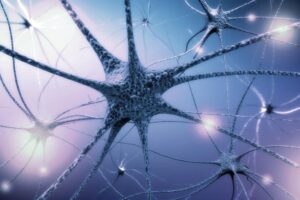
Some gut bacteria might influence mood and prevent depression, according to a new study published in Nature Biotechnology.
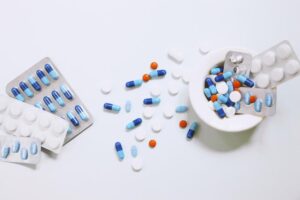
Drug assumption activates metabolic reactions both in the host and its gut microbiota. A study quantified the bacterial impact.

The gut microbiota reduces the production of retinoic acid, a metabolite of vitamin A, to regulate immune activity and prevent pathogens.

Researchers from Università Cattolica del Sacro Cuore, in Italy, reviewed the scientific literature on the link between gut microbiota and aging.

According to J. Kinross, from Imperial College London, there's an urgent need to understand the role of the intestinal microbiome in the etiology of cancer.
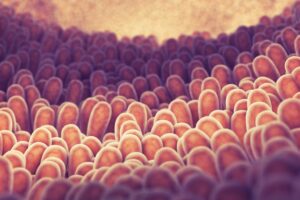
Lactic-acid-producing bacteria support the regeneration of the gut lining by promoting the growth and differentiation of intestinal stem cells.

According to Prof. Ted Dinan, who has been investigating the brain-intestinal axis for years, the gut microbiota plays a role in the genesis of depression.