
Bifidobacteria associated with breastmilk produce small molecules that may improve immune function. A new study published in Nature Microbiology claims the beneficial effects of breastfeeding.
Strategies to mitigate some of the collateral damages of antibiotic therapies are necessary. A new study published in Nature claims.
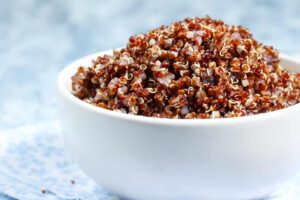
The grain quinoa contains polysaccharides that can induce the growth and activity of beneficial gut microbes. A new study published in Food Science & Nutrition claims

Dr. Raanan Shamir discusses the role that the intestinal microbiota plays in the development of celiac disease.

Gut microbes seem to regulate the number and function of immune cells of central nervous system. A new study published in The EMBO Journal claims.

Aging produces changes in the microbiota of the small intestine. These changes are distinct from those caused by drugs or concomitant conditions and they could influence human health.

By analyzing paleofeces from Austrian salt mines, researchers have found evidence that people who lived in modern-day Austria some 2,700 years ago drank beer and ate blue cheese.

Gut microbiota-derived secondary bile acids might be key regulators in the pathogenesis of autoimmune uveitis. A new study published in Cell Reports claims.

Specific strains of the gut commensal Faecalibacterium prausnitzii may help ease the cognitive difficulties associated with Alzheimer’s disease. A new study published in Cell Reports Medicine claims.
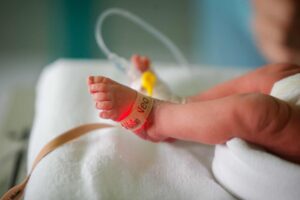
New therapeutic approaches that target the gut-microbiota-immune-brain axis could help to protect preterm infants from brain injury. A new study published in Cell Host & Microbe claims.

The 4th Microbiome Movement – Skin Health & Dermatology Summit took place online from 3 to 5 August.

The findings of a recent study published in Science Advances suggest that a high-salt diet modulates the gut microbiota in ways that boost tumor immunity.

The type of microbiome that repopulates the gut after antibiotics has the potential to reprogram the mammalian immune system with long-lasting effects including on longevity. A new study published in…

Chemotherapy treatment and intestinal diseases can alter the process of programmed cell death, which can lead to gastrointestinal tract's infections.

Specific changes in the gut microbiota could contribute to disruptions in brain physiology and cognitive behavior. This process leads to cognitive impairment. A new study published in Cell Host &…