
Microbiomepost interviewed Lorenzo Drago, from University of Milan, during the ESGE DAYS congress, held recently in Dublin.

The findings of a recent study suggest that lifestyle can influence how bacterial strains are shared between mothers and infants.

The findings of a recent study suggest that changes to the gut microbiotas in space may be associated with a loss of bone density.

A recent study highlights the importance of evaluating microbes’ mutations in understanding the contribution of microbes to complex diseases.
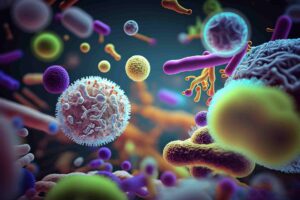
The findings of a recent study offer new insights into the diversity of the human virome and provide a resource that may help future research into the viruses that populate…

Andrea Castagnetti, Antonella Padella and Matteo Soverini tell us about the activities and innovations of Wellmicro, the Italian company specializing in microbiota testing.
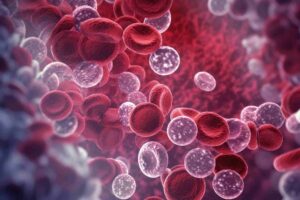
The findings suggest that microbes can occasionally enter the bloodstream from other body sites without causing disease, but they do not support the idea of a common blood microbiota.

The findings suggest that longevity is associated with a specific microbiota signature that may have positive effects on older adults’ health by counteracting senescence or chronic diseases that generally accompany…
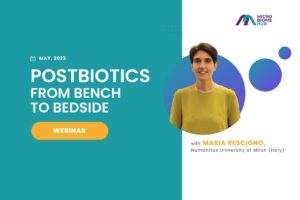
An open discussion about definition, clinical trial design and fields of application of postbiotics with Maria Rescigno, Professor at Humanitas University of Milan.

The findings of a recent study show that a mother’s vaginal microbiota does not affect infant gut microbiota composition and development.

An altered metasystem linking the gut microbiota and systemic immune response could lead to impaired host defense and increased vulnerability to hospital-acquired infections in cases of severe illness.

Francesco Peri, full professor at University of Milano-Bicocca, discussed the role of gut microbiome as new frontier for personalized medicine.

A recent study shows that microbiota maturation during weaning contributes to normal immune development and protection from infection.
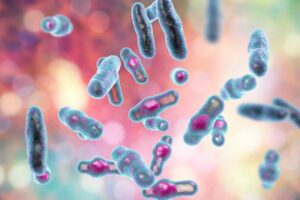
ETX-producing C. perfringens strains are biologically plausible pathogens in MS that trigger inflammatory demyelination.

During MicrobiotaMI congress we discussed with Jun Huh, Associate Professor at Harvard University, about the research on microbiome.
The findings of a recent study identified microbiota signatures that may allow clinicians to predict the outcomes of CAR-T immunotherapy.

The findings of a recent study reveal that P. distasonis and its metabolites could be promising candidates for treating RA.

Microbiomepost discussed with Lorella Tripodi, University Federico II of Naples, about the research she is working with her colleagues.

Diet-induced changes in the gut microbiota confer protection against respiratory infections by regulating the development of key components of the immune system.

Numerous evidences demonstrate the involvement of the sex hormone-gut microbiome axis in regulating the antitumor efficacy of ICIs.