
The differences in gut microbiata composition seen in autistic people may be due to the restricted dietary preferences associated with autism. A new study published in Cell claims.
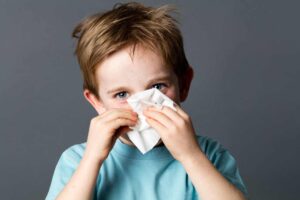
Manipulation of the gut microbiome could be a promising approach for novel preventive and therapeutic strategies against allergy. A new italian study published in Nature Communications claims.

Bacthera in collaboration with Seres Therapeutics announced to manufacture SER-109, an investigational oral microbiome therapeutic to treat recurrent Clostridioides difficile infection (CDI).
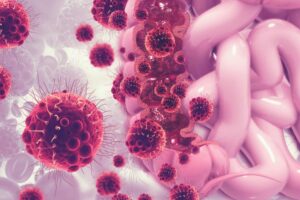
The mouth microbiota may be used as a potential biomarker and target for the diagnosis and treatment of colorectal cancer. A new study pulished in Cell Reports claims.

Bifidobacteria associated with breastmilk produce small molecules that may improve immune function. A new study published in Nature Microbiology claims the beneficial effects of breastfeeding.
The Microbiome Connect: Gut Therapeutics Summit returns face to face on the 7-8 December. Join the list today whilst tickets are still available and don't forget to use MP10 to…
Strategies to mitigate some of the collateral damages of antibiotic therapies are necessary. A new study published in Nature claims.
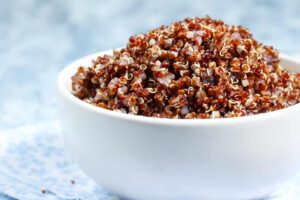
The grain quinoa contains polysaccharides that can induce the growth and activity of beneficial gut microbes. A new study published in Food Science & Nutrition claims

Dr. Raanan Shamir discusses the role that the intestinal microbiota plays in the development of celiac disease.

Gut microbes seem to regulate the number and function of immune cells of central nervous system. A new study published in The EMBO Journal claims.