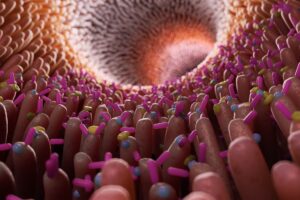
The way gut bacteria increase their access to nutrients by adhering to food particles, could advance the development of microbiota-based diagnostics.

The Gut Phage Database, within more than 140,000 viral species, is a blueprint to guide ecological and evolutionary analysis in future virome studies.

Microbiota changes in advanced age may not simply be diagnostic of healthy aging, but they could also contribute to health as people become older.

Intestinal infections ‘train’ the gut microbiota to produce taurine, which promotes the growth of protective gut bacteria.

A new study published in Science Advances suggest that the gut microbiota should be considered when studying the regulation of maternal behavior.

Franco Vicariotto, MD, presents the session “Women Microbiome: a Different Way to Feel Healthy” of the Probiotics, Prebiotics & New Foods 2021 conference, which will be held in Rome in…
The 3rd Edition Marketsandmarkets Next Gen Microbiome and Probiotics - Virtual Conference, scheduled to be held on 25th and 26th February 2021 will go live to unite global industry attendees…
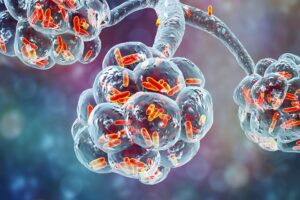
A better understanding of the distribution and composition of airway microbiota could help to protect people against pneumonia.
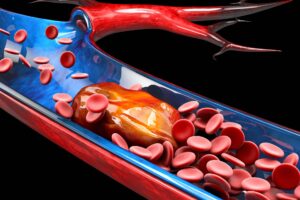
New therapeutic strategies that rely on TLR4 inhibition can counteract the formation of coronary clots in people with cardiovascular disease.

IL-17 molecules from the gut can influence autoimmune diseases in the central nervous system by regulating the gut microbiota.