
Axial Therapeutics has published the results of a Clinical Trial investigating a novel molecule for managing symptoms associated with autism.

By combining HiFi with advanced algorithms, the researchers identified the genomes of 428 microbial species with more than 90% completeness.

Early viral encounters are associated with disadvantageous immune and microbiota profiles, as well as recurrent respiratory infections. A new study published in Nature Microbiology claims.

Probiota 2022: connecting the business and science of the microbiome is back in Copenhagen from the 28th to the 30th March.
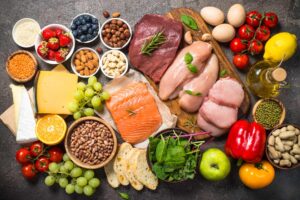
Periodic variations in diet can be important to avoid the fixation of specific mutations and maintain a high genetic diversity in the microbiota.

Seasonal changes in the gut microbiota can influence growth in wild pandas and may explain how these animals compensate for the lack of nutrients in leaf-eating season. A new study…
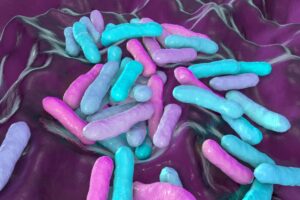
In order to manipulate the human microbiotas to help treat disease, scientists have to gather information about the identities of microbes and their location and arrangement in different body sites.
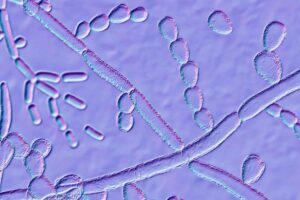
The SMGC allows researchers to classify about 85% of genetic sequences from the skin microbiota. The new study published in Nature Microbiology could offer valuable insights into skin microbiota diversity.
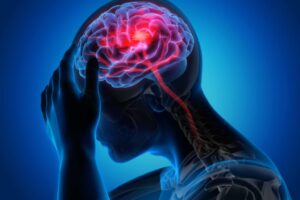
A diet rich in red meat tend seems to increase risk of developing cardiovascular diseases such as heart attack and stroke. A new study published in Nature Microbiology claims.

A high-fiber diet may improve melanoma patients’ response to immunotherapy. A new study published in Science claims.