The gut microbiota shapes immunity by producing small molecules that influence how certain immune cells grow and function. New research shows that short-chain fatty acids (SCFAs), produced by gut bacteria, can boost the activity of tumor-fighting CD8+ T cells, helping the immune system control melanoma.
The findings, published in Immunity, suggest that diet and gut microbes can shape immune cell function and improve responses to anti-cancer therapy.
CD8+ T cells are key immune cells that help detect and kill cancer cells, but constant stimulation can cause “T cell exhaustion,” weakening their function. Scientists have known that certain bacteria and their metabolites can boost immunity and improve responses to anti-cancer therapy.
However, how exactly these microbial signals influence CD8+ T cell activity in cancer remains unclear. Annabell Bachem at the University of Melbourne in Australia and her colleagues set out to investigate how the gut microbiota and its metabolites influence the ability of CD8+ T cells to fight melanoma.
Resisting exhaustion
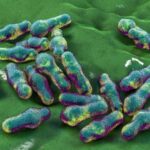
SCFAs, which are produced by gut bacteria when digesting dietary fiber, were suspected to play a role in regulating CD8+ T cells. In mouse models of melanoma, the researchers found that higher SCFA production was associated with better tumor control.
Feeding mice a high-fiber diet slowed tumor growth and increased gut bacteria capable of producing SCFAs, such as Akkermansia muciniphila and Bifidobacterium species. The diet also promoted a population of CD8+ T cells that resisted exhaustion and maintained strong anti-tumor activity.
When CD8+ T cells were treated with butyrate in lab dishes before being transferred into mice with melanoma, the cells survived for longer and killed cancer cells more efficiently than cells that were not treated with butyrate.
Anti-tumor immunity
The researchers also examined CD8+ T cells from people with melanoma who were undergoing immunotherapy. They found that microbiotas that were predicted to produce higher butyrate levels were linked to better responses to immunotherapy.
The results suggest that increasing butyrate production through dietary interventions can strengthen CD8+ T cells and improve anti-tumor immunity. However, more research is needed to investigate whether these findings can be translated into strategies for cancer treatment.
“Our study points to the preservation of stem-like tumor-specific CD8+ T cells as a critical factor in mediating the clinically highly relevant relationship between the microbiota and cancer immunity and underscores that the microbial context in which the activation of tumor-specific CD8+ T cells occurs has a profound influence on their subsequent functions,” the authors say.
 Latest related content