
The gut microbiota could determine how we respond to drugs. The findings, published in Nature, could lead to ways of making medications work better.
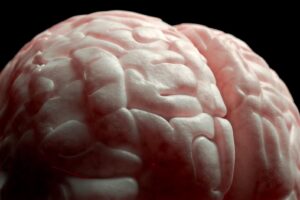
Modulating the gut microbiota may help to ease anxiety, according to a study published in General Psychiatry.
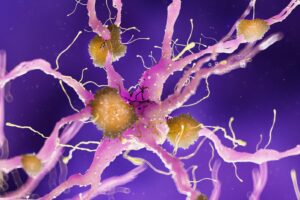
According to a new study published in The Journal of Experimental Medicine, antibiotic treatment reduces Alzheimer’s disease symptoms.
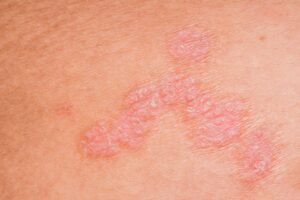
Imbalances of microbes, which are normally present on the skin, are one of the main subjects raised during the 24thCongress of Dermatology.

Rates of food allergy in children are spiking and it’s not certain why this increase in prevalence has occurred. The gut microbiome could play a role.

Find out how to be one of the 250+ microbiome leaders attending the definitive microbiome therapeutics meeting in Boston this June.

A study conducted at MIT, published in Cell Host & Microbe, investigated the role of adaptive mutations in the gut microbiome of healthy people.
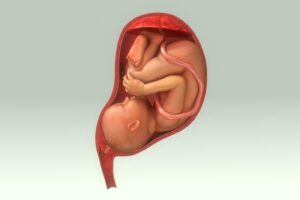
Obesity could affect pregnancy, researchers say. A new study may shed light on the link between maternal obesity and metabolic conditions in the progeny.

According to a study published in Cell Host & Microbe, a skin protein that protects skin from infections needs vitamin A to work.

The infant gut microbiota may have the potential to help identify children at risk for obesity. These are the conclusions of a study published in mBio.