
The discovery of a specific neuronal pathway that responds to signals from the gut may enable interventions to modulate social behavior.
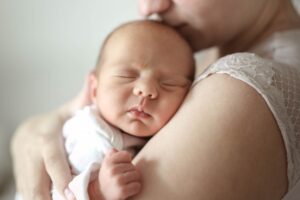
Restoring a baby’s natural exposure to maternal vaginal microbes after a C-section birth can normalize the development of the microbiota in newborn.
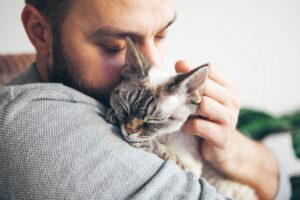
The influence of cat ownership on gut microbiota function may affect the health of the owner. A new study published in PlosOne claims.

The 3rd Edition Marketsandmarkets Next Gen Microbiome and Probiotics - Virtual Conference, scheduled to be held on 25th and 26th February 2021 will go live to unite global industry attendees…
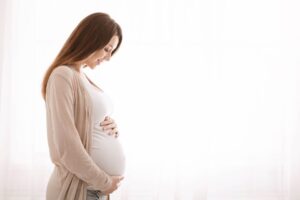
A new study published in Cell claims that microbes are present in fetal tissues and they can prime the fetal immune system, creating a “microbial memory”.

A new study published in Genome Medicine suggests that international travel poses a high risk by favoring the global spread of antimicrobial resistance.
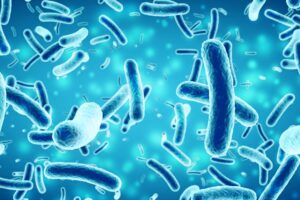
A new study published in Cell Host & Microbe illustrates how different dispersal strategies can allow bacteria to persist in the human gut.
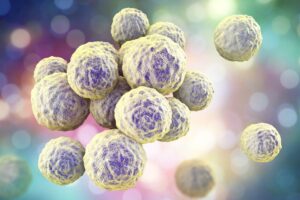
A high-fat diet is associated with changes in the gut microbiota and microbial metabolites. These changes seem impair antibiotic efficacy.
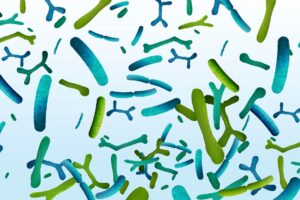
Hafnia alvei HA4597® produces ClpB, a protein that acts through molecular mimicry of the satiety hormone alpha-MSH and regulates appetite.
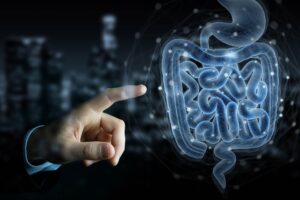
A new study published in Cell could help to detect infection outbreaks and study the distribution of antibiotic-resistant microbes in different urban areas.