
Connect directly with the global microbiome partners.
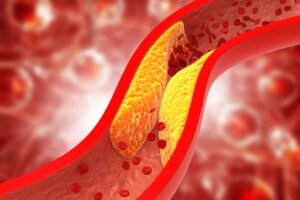
The findings of a new study suggest that Bacteroides can metabolize cholesterol, thus helping to regulate its levels in the blood.
Gallinée was founded in 2014 by Marie Drago, PharmD, a world recognized specialist in skin microbiome.

Even though probiotics market is expanding worldwide, EU consumers cannot be informed about the presence of probiotics in food and food supplements.
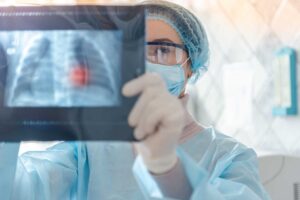
COVID-19 alters the local immunity of the lung in ways that weaken the body’s antimicrobial defense and facilitate the development of secondary infections.

The findings of a recent study suggest that phages can be used to treat IBD and other diseases associated with gut microbes.

RBX2660 is an investigational microbiota-based live biotherapeutic studied for its potential to reduce recurrence of C. difficile infection after antibiotic treatment

The Italian-based leader in the European nutraceutical CDMO market announces the acquisition of Nutraskills, a French company specialized in the research and development, production, and packaging of food supplements for…

The findings of a recent study suggest that engineered native gut bacteria could be employed to help treat certain diseases such as diabetes.

A recent study suggests that the microbiome changes in response to human consumption of non-nutritive sweetener may induce glycemic changes in consumers in a personalized manner.