
The findings of a recent study suggest that there is a causal link between the gut microbiota and infertility.
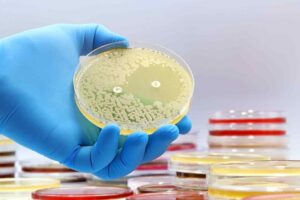
Microbiota-based approaches could help researchers expand the therapeutic toolkit for fighting antibiotic resistance and treating tough infections.
The findings of a recent study suggest that even mild cases of COVID-19 can disrupt the gut microbiota.
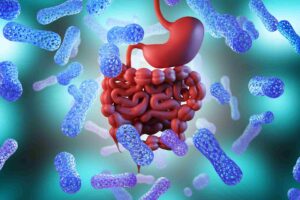
The findings of a recent study provide insights into how industrialized lifestyles have influenced the composition of the human gut microbiota.
The findings of a recent study may help researchers to characterize the composition of the human gut microbiota in health and disease.

MaaT033 (capsule), which is being developed as an adjunctive and maintenance therapy to improve overall survival in allo-HSCT, has received orphan drug designation (ODD) status from the European Medicines Agency…
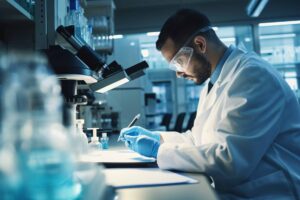
New Study Demonstrates Positive Effects of NORDBIOTIC Probiotic Strains on Irritable Bowel Syndrome (IBS) in Adult Patient.

Industry
Sponsored by

A new scientific publication on the antimicrobial, antiadhesive and co-aggregation activity against different urogenital pathogens.
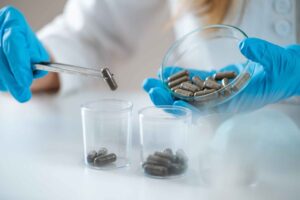
The findings of a recent study suggest that FMT is an effective strategy to mitigate the intestinal side effects of cancer immunotherapy.

Understanding how gut microbes are linked to preclinical Alzheimer’s disease could help to identify markers of disease risk.