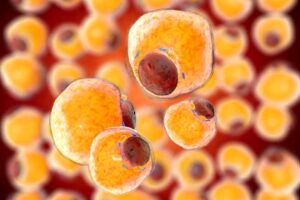
P. distasonis can alleviate obesity and reduce obesity-related abnormalities. That’s the conclusion of a cinese study published in Cell Reports.
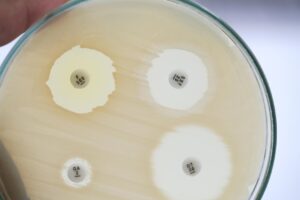
In order to manage antimicrobial resistance and enhance immune responses against pathogens, a duo of scientists proposes to turn to the gut microbiota.
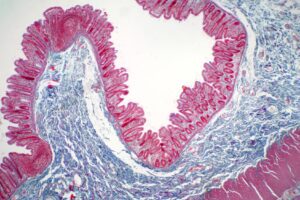
Cells in the gut sense commensal microbes through receptors that trigger the production of inflammatory molecules and the activation of the immune system.

The gut microbiota can be useful to distinguish between IBD and IBS. That's according to a study published in Science Translational Medicine.
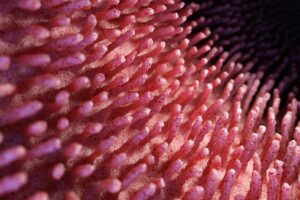
A low-calorie, low-protein diet could help reduce the inflammation associated with IBD. That’s according to a study published in Cell Reports.
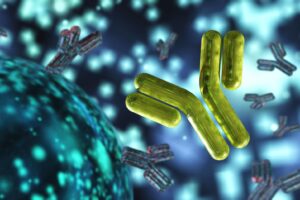
A commensal Lactobacillus strain worsens the symptoms of systemic lupus erythematosus and triggers the host's immune system.
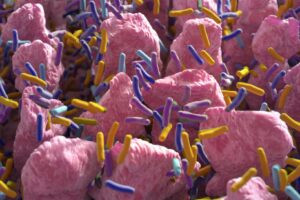
According to a study published in Science, some microbiota bacteria prevent immune activation by communicating with intestinal cells.
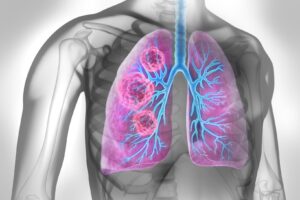
Lung bacteria can cause inflammation associated with lung cancer by activating the host’s immune system, researchers reported in the journal Cell.
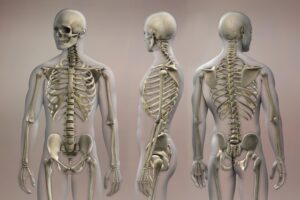
Antibiotics can alter the development of the skeleton by disrupting the gut microbiota and, consequently, affecting the immune system.

Thanks to advanced computational tools, scientists have identified nearly 2,000 new species of gut bacteria. A step towards understanding the microbiota.