Obesity, dietary supplements and key medications such as antidiabetics are associated with changes in gut microbiota composition, a recent study claims.
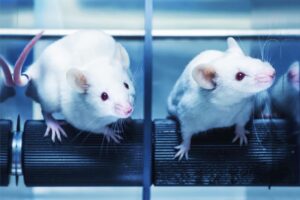
A study published in the journal Science identified a specific class of gut bacteria that prevents mice from becoming obese.
There may be more genes in the gut and oral microbiome than previously thought, a large study of the human microbiome claims.
A study suggests the existence of a link between aging and the gut microbiota. The results may help design probiotic treatments for age-related conditions.
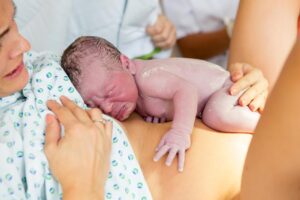
Antibiotics given to mothers during childbirth could alter the infants’ gut microbiota, a new study published in Scientific Reports finds.
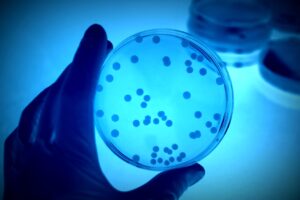
The gut microbiota could influence our health by producing metabolites that interact with human receptors, a study published in Cell Host & Microbe claims.
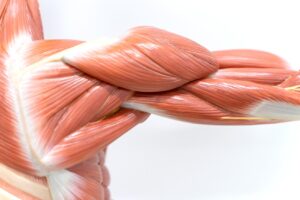
According to a recent study published in Science Translational Medicine, the gut microbiota may influence the development of muscle mass.
People with obesity-related conditions may benefit from supplements of the gut commensal Akkermansia muciniphila, a recent study suggests.

A microbial compound could increase the risk of asthma in children. A study identified the mechanisms that link the microbiota to allergies.
A high-fat diet induces reproducible changes in the gut microbiota, a meta-analysis published in Cell Host & Microbe revealed.