
A new study shows that breast milk can be protective against viral infections by reducing the accumulation of potentially harmful human viruses.
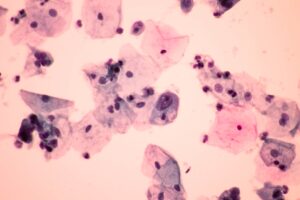
Researchers have identified potential microbial markers that could identify women with HPV infection at risk for progression to cervical cancer.

A study, published in Cell Host & Microbe, suggests why undernourished people may be more susceptible to intestinal infections than healthy individuals.
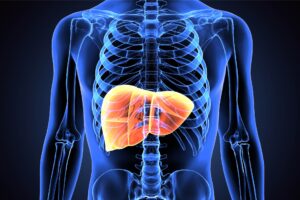
A study published in Cell Metabolism shows that the gut microbiota can act at a distance to protect against liver damage.
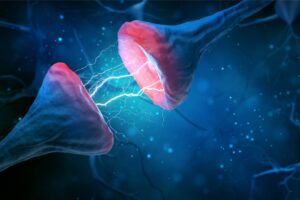
Researchers have identified new bacterial molecules that are able to travel to the brain and inhibit brain cell function.

A new study (The Lancet Respiratory Medicine) suggests that the decrease in the incidence of childhood asthma is a consequence of reduced antibiotic use.
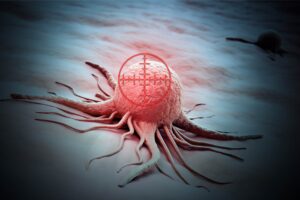
Cancer-associated microbial signatures in the blood could help to detect the disease at its early stage, a study published in Nature has found.
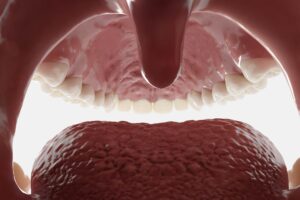
A study published in PLOS Pathogens suggests that the oral microbiota could be used to predict the outcome of hematopoietic stem cell transplants.
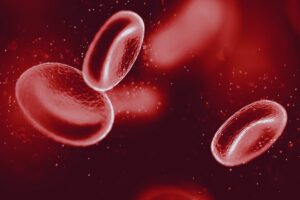
Researchers have identified a microbial metabolite linked to events such as heart attack and stroke. The findings could lead to new ways to diagnose, prevent, and treat heart disease.
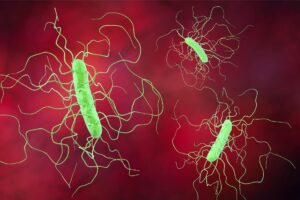
The largest study of fecal microbiota transplant in the UK shows that the procedure can successfully treat patients with C. diff infection.