The impact of medications on the gut microbiota is greater than previously thought. A new research published in Nature claims.
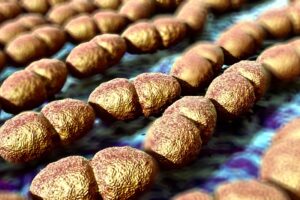
Bacterial spores of the probiotic Bacillus subtilis can prevent dangerous Enterococcus bacteria from invading the blood and causing systemic infections.
Specific gut bacteria may drive some autoimmune conditions, including rheumatoid arthritis, inflammatory bowel disease, and multiple sclerosis. A new study published in Cell Host & Microbe claims.

A new study published in the Journal of Proteomics is the first to profile the gut microbiota of autistic children, their relatives, and neurotypical children using a metaproteomic approach.

Some gut and mouth bacteria produce enzymes that metabolize acarbose, a common antidiabetic drug, in ways that may reduce its therapeutic efficacy. A new study published in Nature claims.

The first gut microbiota may be related to complications of prematurity. A new study published in Cell Reports Medicine claims.
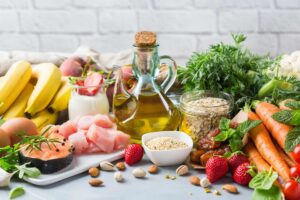
A team of spanish researchers have published in Scientific Reports the first complete analysis of the gut microbiome of a Mediterranean country.
Specific bacteria in combination with a hydrogel containing silver nanoparticles can reduce tumor growth in mice with a cancer of the oral cavity. A new study published in Nature Biomedical…

The differences in gut microbiata composition seen in autistic people may be due to the restricted dietary preferences associated with autism. A new study published in Cell claims.
Manipulation of the gut microbiome could be a promising approach for novel preventive and therapeutic strategies against allergy. A new italian study published in Nature Communications claims.