
Targeting specific bacterial strains, rather than overall gut diversity, can help develop effective microbiota therapies.

In periodontitis, helpful gum bacteria become less active while harmful bacteria change their behavior to feed on available nutrients and worsen disease, suggesting new targeted treatment approaches.
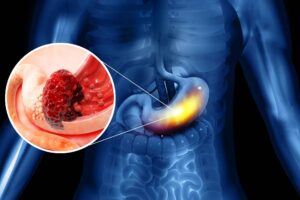
Bacterial extracellular vesicles released by L. salivarius activate immune cells, boosting the effectiveness of immunotherapy in stomach cancer.
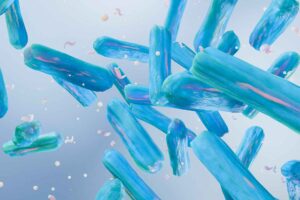
Uncultured gut bacteria, particularly one group called CAG-170, are key contributors to a healthy microbiota.

Bifidobacterium longum and B. infantis are distinct species with strains adapted to local diets, highlighting the importance of developing geographically tailored infant probiotics.
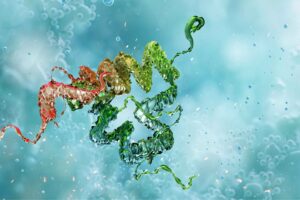
HMGB1 is a key protein that blocks bacterial adhesion and virulence, protecting intestinal cells and helping to maintain a healthy microbiota.
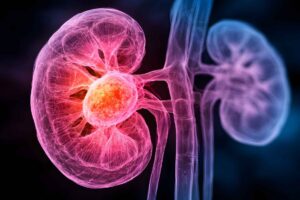
Modifying the microbiota through a fecal transplant can be safely combined with immunotherapy in people with kidney cancer.

Restoring R. gnavus or supplementing isovaleric acid could be a promising microbiota–based strategy to prevent or treat atrial fibrillation.
Azelaic acid travels from the gut to the lungs, where it activates immune cells to reduce inflammation and protect the lungs.

Even after long breaks, such as summer vacation, babies continued to share more microbes with former nursery peers than with children from other nurseries.