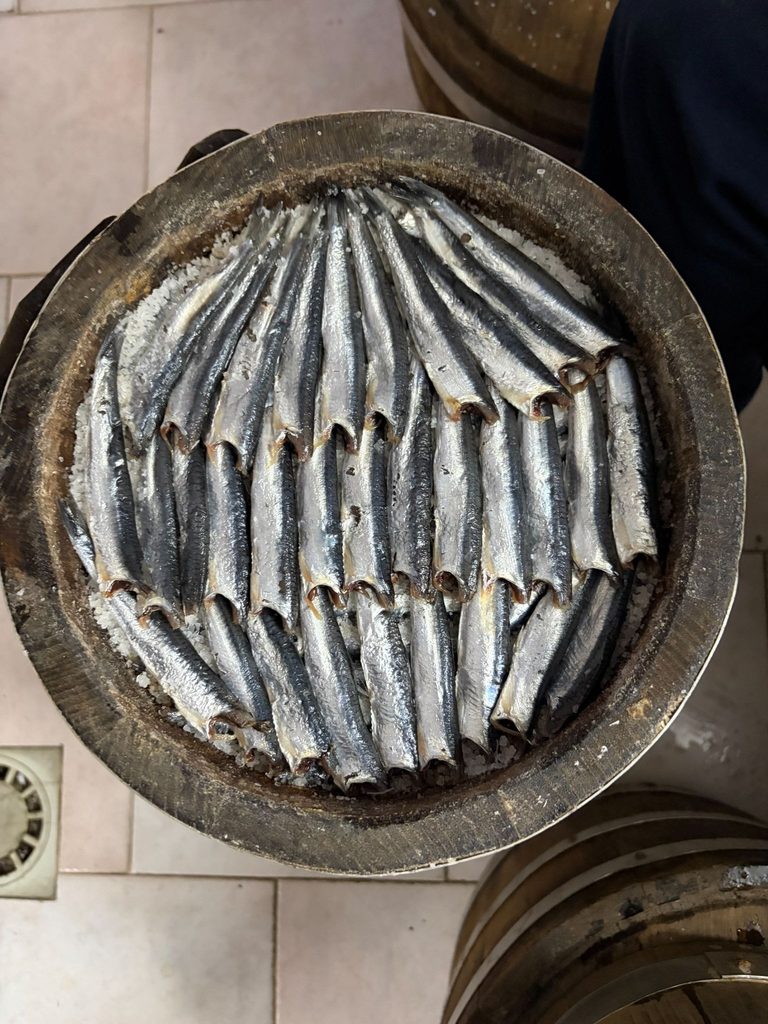
In Cetara, at the Nettuno workshop, anchovies offered a useful starting point for thinking about the Mediterranean diet. Here was a food familiar to nutrition researchers, encountered through the work of processing it and producing colatura, the traditional anchovy sauce. The visit brought a different set of questions into view: where food comes from, how knowledge survives, and what happens between a natural resource and something we eat.
It was one stop on a five-day journey through Campania with an international delegation of researchers. By the time we gathered at the EBRIS Foundation in Salerno for the fifth Gut Instinct conference, the Mediterranean diet had acquired names, places and production histories.
Percorsi nel Gusto 2026 had taken us into the landscape behind the dietary model. For those of us accustomed to discussing food through studies, mechanisms and health outcomes, that change of perspective was valuable.
In Cilento, the starting point is the territory
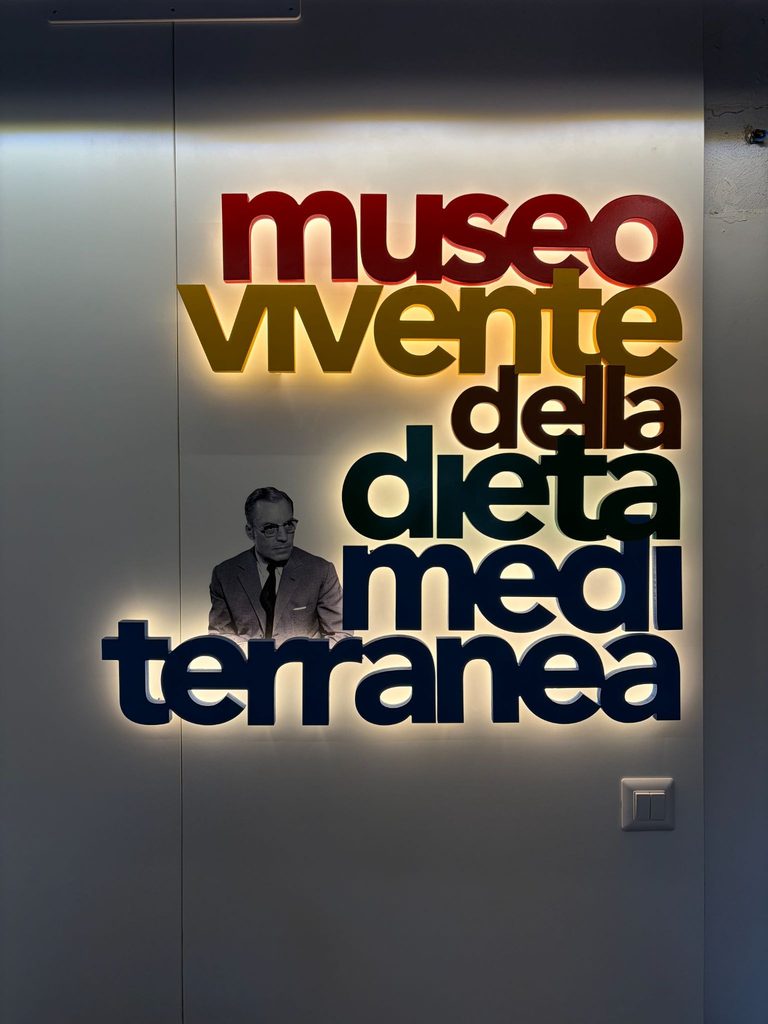
The journey began on Monday, October 12, in Cilento, with visits to the Alento River Oasis and the Living Museum of the Mediterranean Diet in Pioppi. We continued to Casal Velino to discover the Cilentan pizza made by L’Ammaccata.
Together, these opening stops set the terms of the week. A dietary pattern could be examined through the environment that supports it, the knowledge that gives it continuity and the food people prepare.
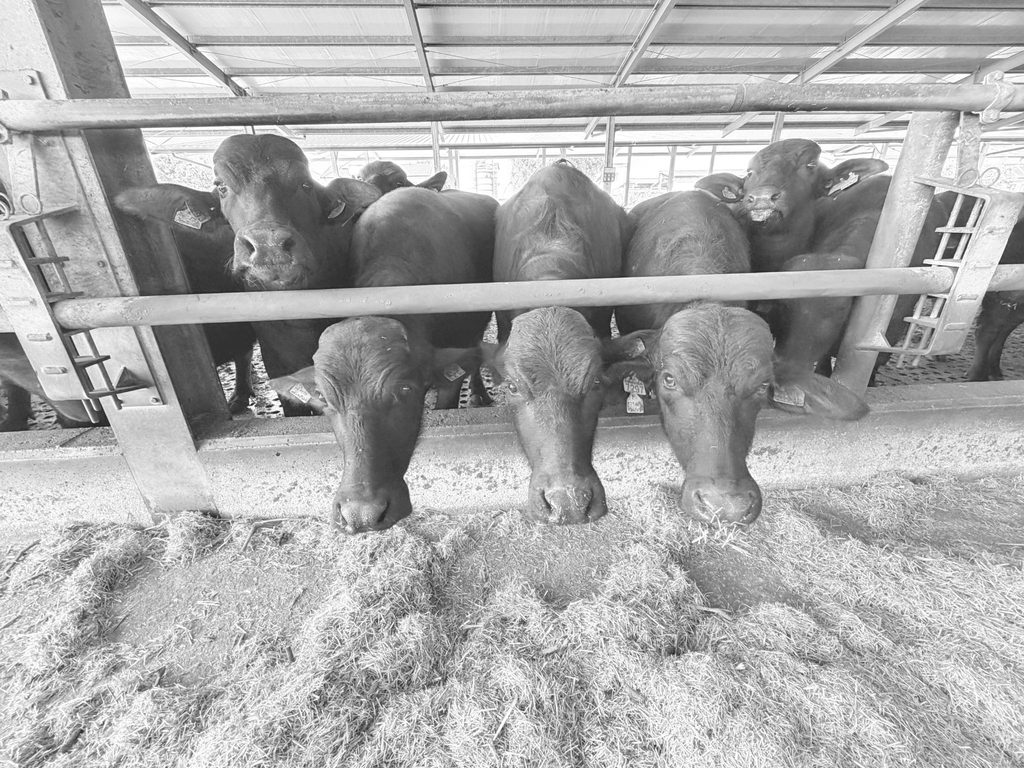
Later visits added detail. Donatella Marino introduced the tradition of alici di Menaica. At Piero Matarazzo’s farm, the focus was extra virgin olive oil; at Azienda Agricola Jemma, it was buffalo farming. The itinerary eventually took us through Cetara, the Lattari Mountains and the Sorrento Peninsula.
There was no single ingredient capable of carrying the story. What emerged was a network of producers and practices, each contributing to the food culture described by the term “Mediterranean”.
At Prignano Cilento, a workshop with chef Marisa Iocco and local schools brought the next generation into that picture. Teaching children about food gave a practical setting to a question that would return at the closing conference: how early can prevention begin, and how does knowledge become part of everyday life?
The questions we brought back to Salerno
At EBRIS, the discussion turned to the relationships between diet, the gut microbiota and chronic disease prevention.
Alessio Fasano, the foundation’s president and scientific director, and Frank Hu, chair of the Department of Nutrition at the Harvard T.H. Chan School of Public Health, addressed childhood obesity and the importance of prevention early in life. After the school workshop and the visits to producers, those themes carried a clear connection to the week’s experiences.
The scientific discussion considered fibre and the gut microbial ecosystem, compounds in extra virgin olive oil with antioxidant and anti-inflammatory properties, and adequate protein intake to support muscle mass and metabolic function.
Fasano explained why the project had brought researchers directly into food-production settings: “Understanding how food is produced also means understanding its value for health.”
That idea gave the journey its purpose. The visits supplied context for the scientific questions: the foods being studied belonged to production systems, local economies and habits that influence how people encounter and consume them.
The conference, moderated by Ronald E. Kleinman of Harvard Medical School, also looked at the place of Mediterranean approaches within contemporary clinical care. Kathleen O’Neil, founder and medical director of Treat Wellness in Boston, discussed Mediterranean medicine in the era of GLP-1 drugs, with a focus on protecting the gut–mitochondria axis.
Ilaria Cavecchia, head of the Clinical Microbiomics Centre at Koelliker Hospital in Turin, explored the clinical prospects for modifying the microbiota through diet. Her contribution brought a central question for the field into focus: how far can current knowledge be translated into clinical practice?
For a meeting concerned with the microbiome, that question matters as much as the biological promise itself.
How a finding becomes a promise
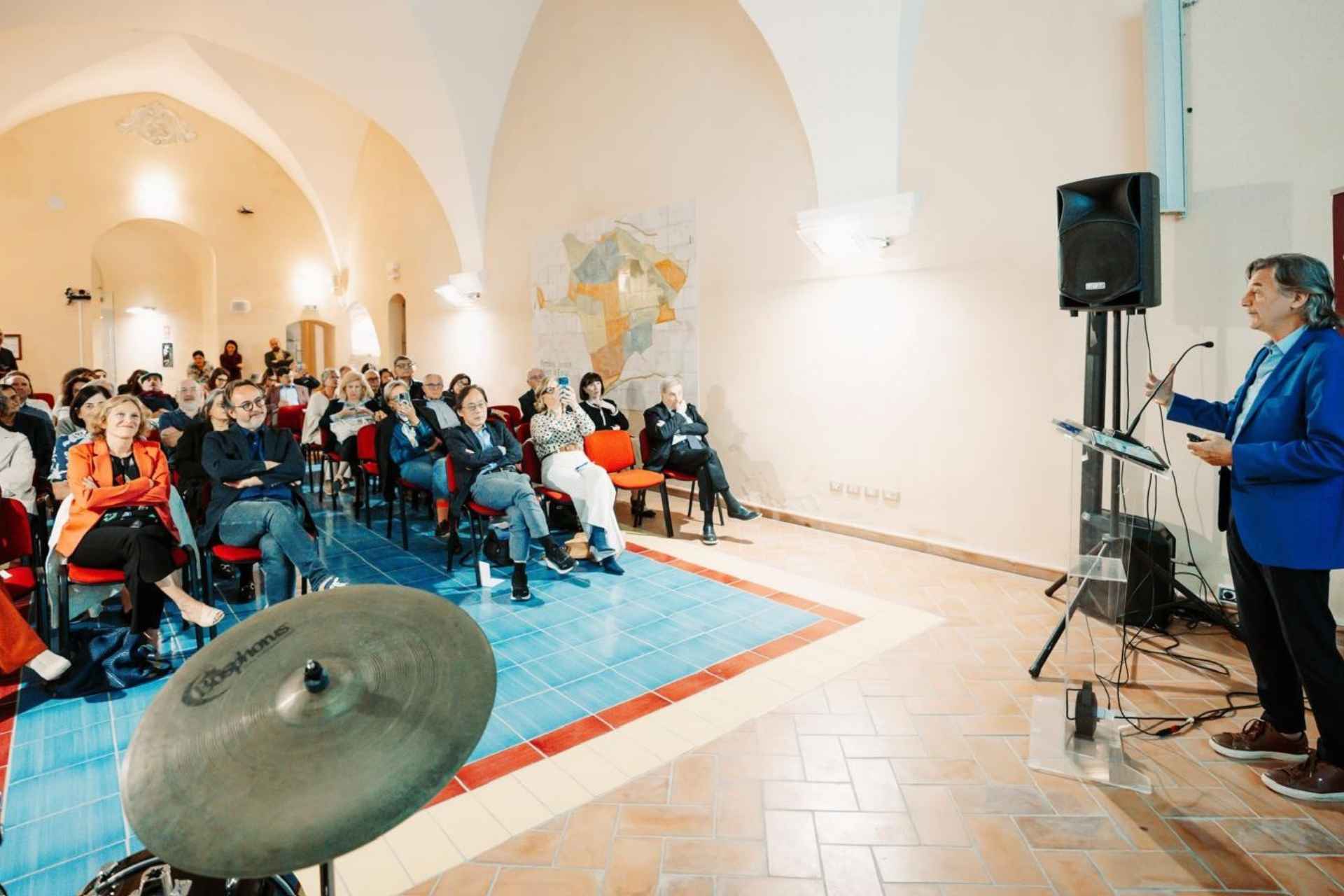
My contribution approached the relationship between food and health through the information people receive.
Nutrition is particularly vulnerable to misleading messages because it is so familiar. Everyone eats. Personal experience can feel persuasive, especially when it concerns symptoms, body weight or a change that appears to have made us feel better. Food also carries memories, identity and expectations about what we can control.
In the presentation, I traced how a research finding can change as it moves through a press release, a news story and social media. An illustrative statement about fermented-food intake and microbial diversity showed how qualifications can disappear along the way.
Sometimes the change begins with a verb: modulate, then increase, then boost, then improve. By the end, a biological observation has become a promise of benefit.
For microbiome reporting, this is a familiar editorial challenge. A phrase such as “rebalances the microbiota” may sound informative while leaving the reader without the details needed to judge it: what intervention, in whom, measured how, and supported by what evidence?
The connection with our journey was striking. Throughout the week, we had been adding context to food. In communicating research, we have a responsibility to preserve the context that allows a finding to be understood.
That includes communicating the Mediterranean diet without turning each of its ingredients into a separate health promise.
A broader view of the pyramid
The new food pyramid from the Italian Society of Human Nutrition, SINU, provided a reference point during the conference. As discussed at the meeting, it gives space to biodiversity, environmental sustainability, waste reduction and conviviality alongside nutritional guidance.
By then, we had encountered places where those ideas could be considered in practice.
At Pimonte, Fattoria Zero introduced the delegation to social farming and its relationship with the local area. At the final stop, Finagricola in Battipaglia, we visited the Serroni educational farm, where agricultural innovation and technological experimentation are brought together with environmental sustainability. The biolake stood as a symbol of that approach, before the visit continued with a tasting in the Sala del Gusto.
These experiences helped explain why a broader food pyramid belongs in a discussion about health. Dietary habits take shape within an environment: what is produced, what remains available, what people learn to prepare and the circumstances in which they share meals.
The scientific task is to examine those relationships carefully. The editorial task is to describe them without stripping away their complexity or promising more than the evidence supports.
The conference ended with a performance by an ensemble from Salerno’s G. Martucci Conservatory. It was a fitting close to a week in which culture had remained part of the conversation.
Looking back, what stayed with me was the distance we had travelled between the shorthand of nutrition and the detail of food. Olive oil, fish, vegetables: familiar words, each containing a much longer story. In Campania, we had spent five days following those stories back to their beginnings.
 Latest related content