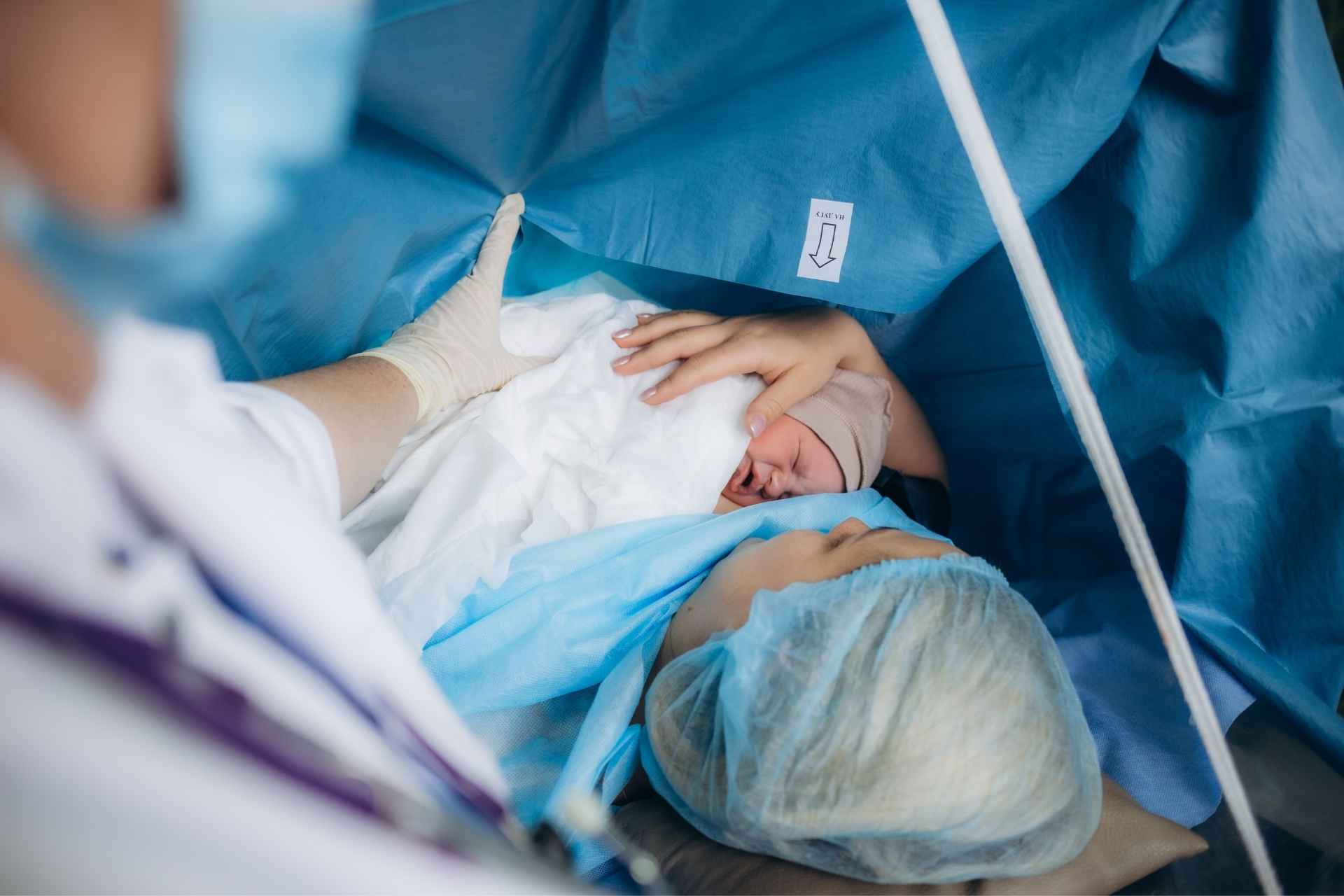
The period just before and after birth is a crucial time when environmental factors, such as birth method and antibiotics, influence the developing gut microbiota. Researchers have now found that a C-section birth can alter a baby’s gene regulation and gut bacteria in ways that may shape brain development and influence the likelihood of neurodevelopmental conditions such as autism.
The findings, published in Cell Press Blue, suggest that early interventions targeting the infant gut microbiota—especially in babies born by C-section—may reduce the probability of such conditions.
Previous research showed that environmental factors—including diet, antibiotics, and birth method—and the gut microbiota can influence how genes are turned on or off. But how exactly these factors interact to influence long-term health is not well understood.
Researchers led by Siew Chien Ng at the Chinese University of Hong Kong in China followed nearly 1,000 families to study how birth method affects babies’ gene regulation and gut bacteria, and how these relate to brain development.
Gene activity
The team collected cord blood and stool samples from 969 babies over time and assessed their behavior at age 3. Babies born by C-section showed higher levels of DNA methylation—a chemical change that can reduce gene activity—particularly in genes related to the immune system and brain development.
These babies also had different immune cell patterns, suggesting that their early development differs from those born vaginally. Babies born by C-section also had slower development of their gut microbiota and fewer beneficial bacteria.
Certain gene changes were linked to a higher probability of autism and attention-deficit/hyperactivity disorder (ADHD), the researchers found. These changes mainly affected genes involved in the communication between brain cells and neurotransmitters.
Neuro-immune axis
Some bacteria, including Hemophilus parainfluenzae, Escherichia coli, and Ruminococcus gnavus, were linked to higher likelihood of autism and ADHD, whereas other bacteria, such as Parabacteroides distasonis, Faecalibacterium prausnitzii, and Bacteroides fragilis, were associated with lower probability of these conditions.
The findings suggest that C-section birth affects both gene activity and gut bacteria in ways that increase the probability for neurdevelopmental conditions. However, this can be partly offset by beneficial microbes.
Ultimately, the authors say, “this study advocates for a precision medicine approach that leverages multi-omics insights, particularly within the neuro-immune axis, for early risk stratification and the optimization of early-life health trajectories.”
 Latest related content