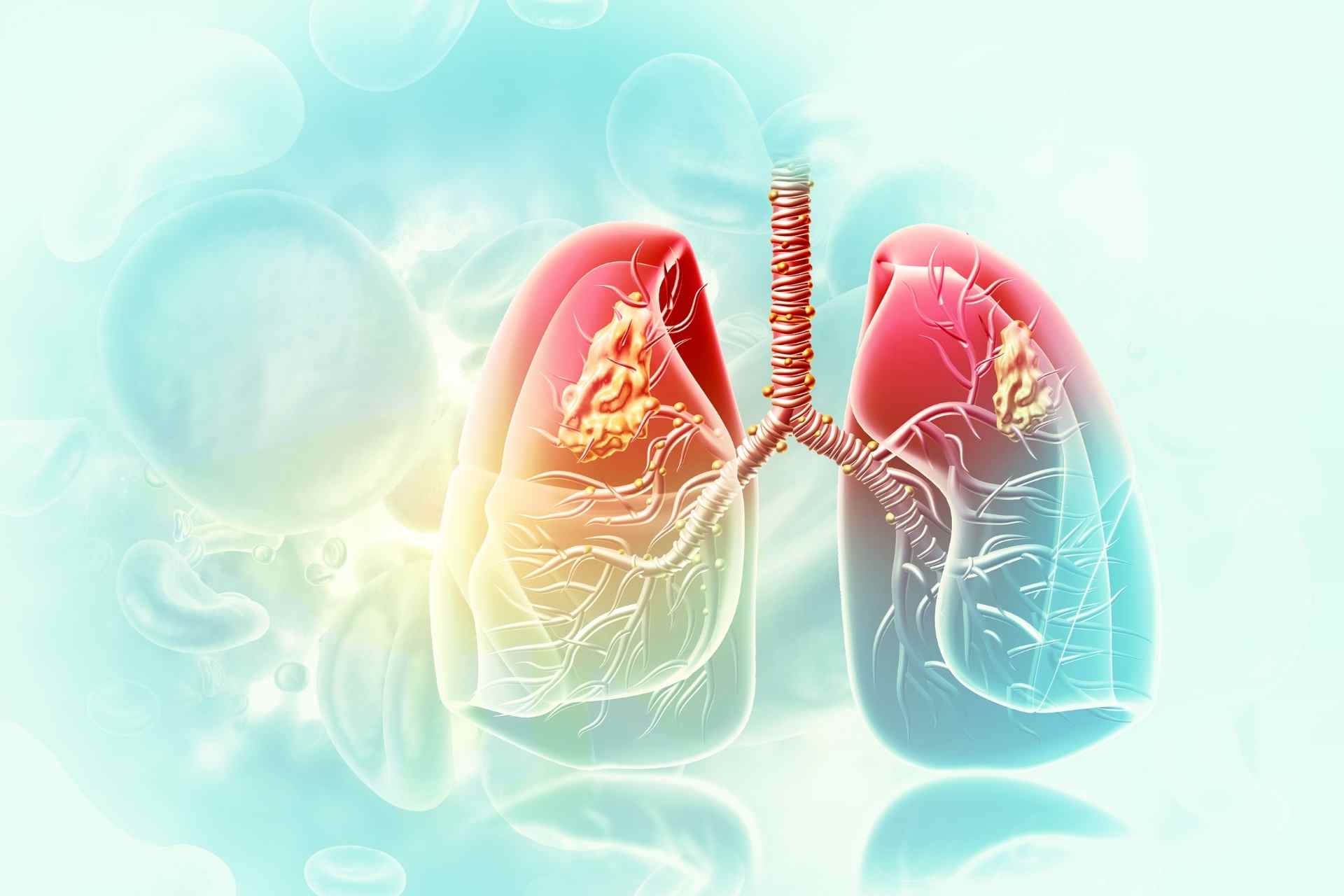
Non-small cell lung cancer is the most common and deadly type of lung cancer, accounting for about 85% of cases worldwide. Now, researchers have found that the levels of specific gut bacteria could indicate which lung cancer patients are likely to benefit most from a combination of chemotherapy, radiotherapy, and immunotherapy.
The findings, published in Med, suggest that changes in gut microbes, especially Akkermansia, could predict treatment success in people with lung cancer.
Current treatments for non-small cell lung cancer combine chemoradiotherapy with consolidative immunotherapy, which boosts the immune system to attack cancer cells. However, treatment outcomes vary and are often accompanied by serious side effects, such as lung inflammation.
Akkermansia and other gut bacteria have been linked to how people respond to immunotherapy in advanced lung cancer, but it remained unclear whether changes during chemoradiotherapy and combined treatments could also affect outcomes.
So, researchers led by Linfang Wu at the Chinese Academy of Medical Sciences and Peking Union Medical College in Beijing, China, analyzed the gut microbiota of dozens of people with advanced lung cancer undergoing chemoradiotherapy combined with immunotherapy.
Microbial diversity
Cancer patients who survived longer without cancer progression had higher gut diversity—a measure of the number and variety of bacterial species. Those whose levels of Akkermansia increased during treatment were more likely to experience longer survival and better clinical outcomes.
Akkermansia is known to influence the immune system by helping activate specific immune cells that attack tumor cells. The micrboe can also interfere with metabolic pathways that cancer cells rely on for growth.
People with severe treatment-related lung toxicity had less diverse gut microbiotas and higher levels of bacteria linked to infection and inflammation. In contrast, those with milder toxicity showed slight increases in Akkermansia and other beneficial bacteria, the researchers found.
Predicting survival
Akkermansia bacteria were not only more abundant in people with longer survival but also interacted more actively with other gut bacteria, forming complex microbial networks. This suggests that the structure of the gut microbiota is as important as its diversity.
For example, people whose gut bacteria were more interconnected showed better progression-free survival, even when microbial diversity decreased during treatment. The findings indicate that the gut microbiota adapts during therapy and that these adaptations may influence how the body responds to anti-cancer therapy, the researchers say.“[Akkermansia], a symbiotic gut bacterium and promising probiotic, may be a potential biomarker to predict the survival of patients with lung cancer undergoing [chemoradiotherapy] and [immune checkpoint inhibitors] therapy,” they say.
 Latest related content