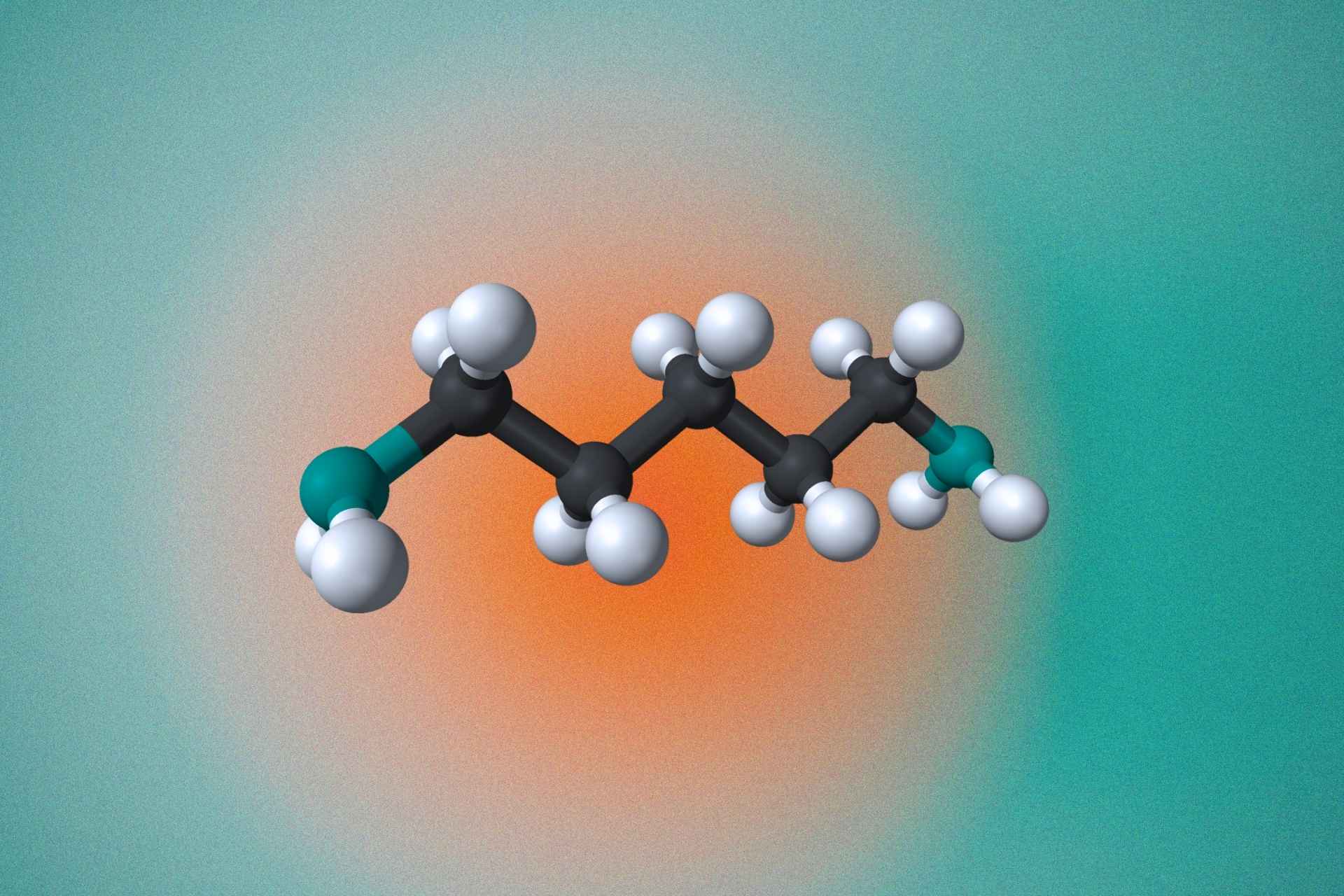
The gut microbiota shapes how our cells produce and use energy by making compounds that influence key energy processes. New research shows that cadaverine, a molecule partly produced by gut bacteria, can either protect against or worsen inflammation depending on its levels and the gut microbiota balance.
The findings, published in Cell Host & Microbe, suggest that controlling cadaverine levels and the gut bacteria that produce it could help regulate immune cell metabolism and inflammation, offering new strategies for preventing or treating conditions such as inflammatory bowel disease.
Scientists have known that when the microbiota balance is disturbed, it can trigger abnormal immune and metabolic responses. Polyamines, partly produced by gut bacteria from dietary amino acids, support cell growth and energy regulation, but it’s unclear how they impact gut health and disease.
Rodrigo de Oliveira Formiga at Sorbonne University in Paris and his colleagues set out to examine how the polyamine cadaverine affects immune cell metabolism and inflammation in inflammatory bowel disease.
Energy boost
In human immune cells grown in a laboratory dish, cadaverine boosted energy production. This boost relied on both sugar breakdown and mitochondria, the powerhouses of cells. Cadaverine made the cells more energy-efficient during immune activation by maintaining mitochondrial activity and preventing excessive glycolysis.
In human immune cells, cadaverine also reduced inflammatory signals and boosted anti-inflammatory molecules, even during immune activation. Similar effects were observed in immune cells from mice.
When cadaverine was given to mice by mouth, it was partly absorbed, peaked in the blood within 30 minutes, and then was cleared, the researchers found.
Gut inflammation
To study more in depth the effects of cadaverine, the team treated mice with antibiotics to eliminate gut bacteria, resulting in energy problems in gut immune cells called macrophages. Giving cadaverine to these mice fixed most of the problems, restoring normal energy use and mitochondrial health.
In a mouse model of colitis, a condition similar to human inflammatory bowel disease, cadaverine made inflammation worse. Further experiments showed that high levels of the molecule shifted macrophages to an inflammatory state, worsening colitis. This effect depended on gut bacteria, especially Enterobacteriaceae, and it matched findings in people with inflammatory bowel disease, who had higher cadaverine levels during flare-ups.
“Our findings implicate cadaverine as a microbiota-derived metabolite manipulating macrophage energy metabolism with consequences in intestinal inflammation and implications for [inflammatory bowel disease] pathogenesis,” the authors say.
 Latest related content