
Giovanni Marasco, University of Bologna, discusses the growing evidence that links gut microbiota dysbiosis to the pathophysiology, clinical prognosis, disease progression, and treatment response of patients with IBD.

Effective treatment of IBD requires an approach combining tailored donors, microbiota analysis, and diet.

Maurizio Vecchi, gastroenterologist at Policlinico of Milan (Italy), discussed the current and potential role of the microbiome in inflammatory bowel disease (IBD).

Changes in gut bacteria raise a child’s chances of developing IBD later in life, offering clues to why the conditions sometimes runs in families.

Federica Facciotti, from University of Milano Bicocca, focuses on how the gut microbiota interacts with immune activation, shaping both chronic inflammatory intestinal disorders and oncology, particularly colorectal cancer.

A gut bacterium, Clostridium steroidoreducens, can chemically modify steroid hormones, including those used to treat IBD.
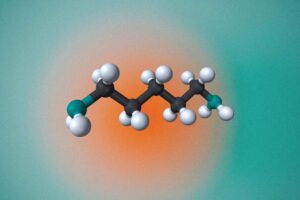
Controlling cadaverine levels and the gut bacteria that produce it could help regulate immune cell metabolism and inflammation.

Philippe Langella, Research director at INRAE, talks about how F. prausnitzii could be a beneficial commensal.
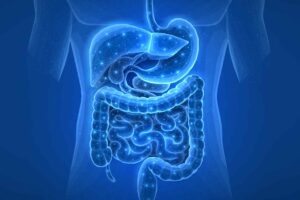
Targeting the microbiota could be a new way to strengthen gut immunity and develop treatments for inflammatory bowel diseases such as Crohn’s disease.
By revealing that OTUD3 limits microbiota-driven STING activation, the findings of a new study offer insights into the disease mechanisms of ulcerative colitis and may pave the way to new…