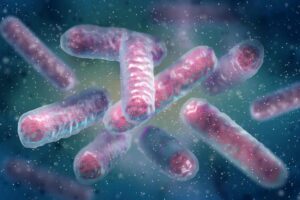
The findings of a new research suggest that obesity-induced changes in the vaginal microbiota can affect the immune responses against viral infection.

The findings of a new research support the link between gut microbes and depression, and suggest that the gut microbiota can be a target for future therapies.

Strategic investment in dynamic research field of skin microbiome to drive future of skin care.
The findings of a japanese research suggest that several viruses are linked to specific populations and diseases.
Researchers have found that a diet low in fermentable carbohydrates can alter the human microbiota in ways that influence the expression of genes involved in inflammation and intestinal integrity.

Emily Hollister discussed how Diversigen demonstrates the rapidity of microbial gene expression changes potentially impacting host-microbiome interactions.
With the achievement of this new milestone, both companies will now advance this research which focuses on developing innovative therapies for metabolic diseases.

The new group will have annual revenues of approximately 3.5 billion euros ($3.7 billion), the companies said.
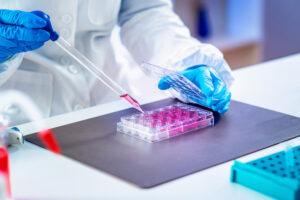
FB-001 is a rationally designed consortium of 148 defined bacterial strains with unprecedented diversity, representing a complete microbiome replacement
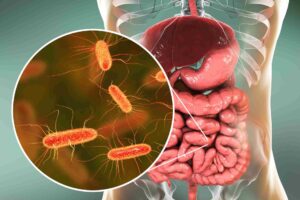
A recent study confirms that ileum and colon have a distinct microbiota: unlike the bacterial composition of the colon, the ileum is subject to frequent fluctuations.