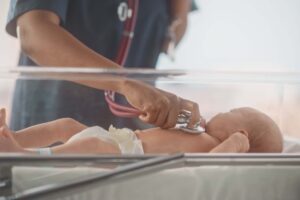
The findings of a recent study may help to develop diagnostic or therapeutic approaches to reduce bacterial bloodstream infections in newborns.
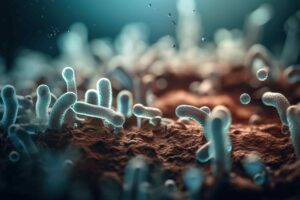
Cocaine users have an altered gut and oral microbiota composition and function, which can be rescued by rTMS-induced cocaine abstinence.

MAP 315, is a novel live biotherapeutic product being developed for the treatment of ulcerative colitis and was discovered and developed using Microba’s data-driven Therapeutics Platform.
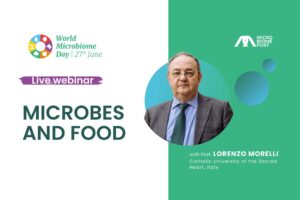
Together with Professor Lorenzo Morelli we focused on the significant role of diet and the microbiome in terms of health benefits, food production, and agri-industry systems.
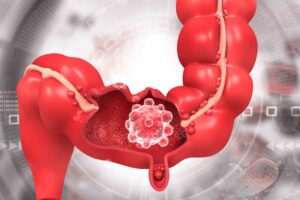
By providing insights into how the gut microbiota influences cancer susceptibility, the findings may help to develop new therapies or dietary interventions.

Ensemble No.3 (ENS-003) is in development to address vulvovaginal candidiasis – a vaginal yeast infection for which antifungal treatments offer limited protection from recurrence.

The findings of a recent study suggest that lifestyle can influence how bacterial strains are shared between mothers and infants.

The findings of a recent study suggest that changes to the gut microbiotas in space may be associated with a loss of bone density.

A large Korean population study provides scientific evidence that altering the gut microbiome composition through dietary habit change can help prevent and manage the hypertension.

Industry
Sponsored by

The 6’-SL HMO from Chr. Hansen is approved for highest use levels in infant formula and follow-on formula in EU.