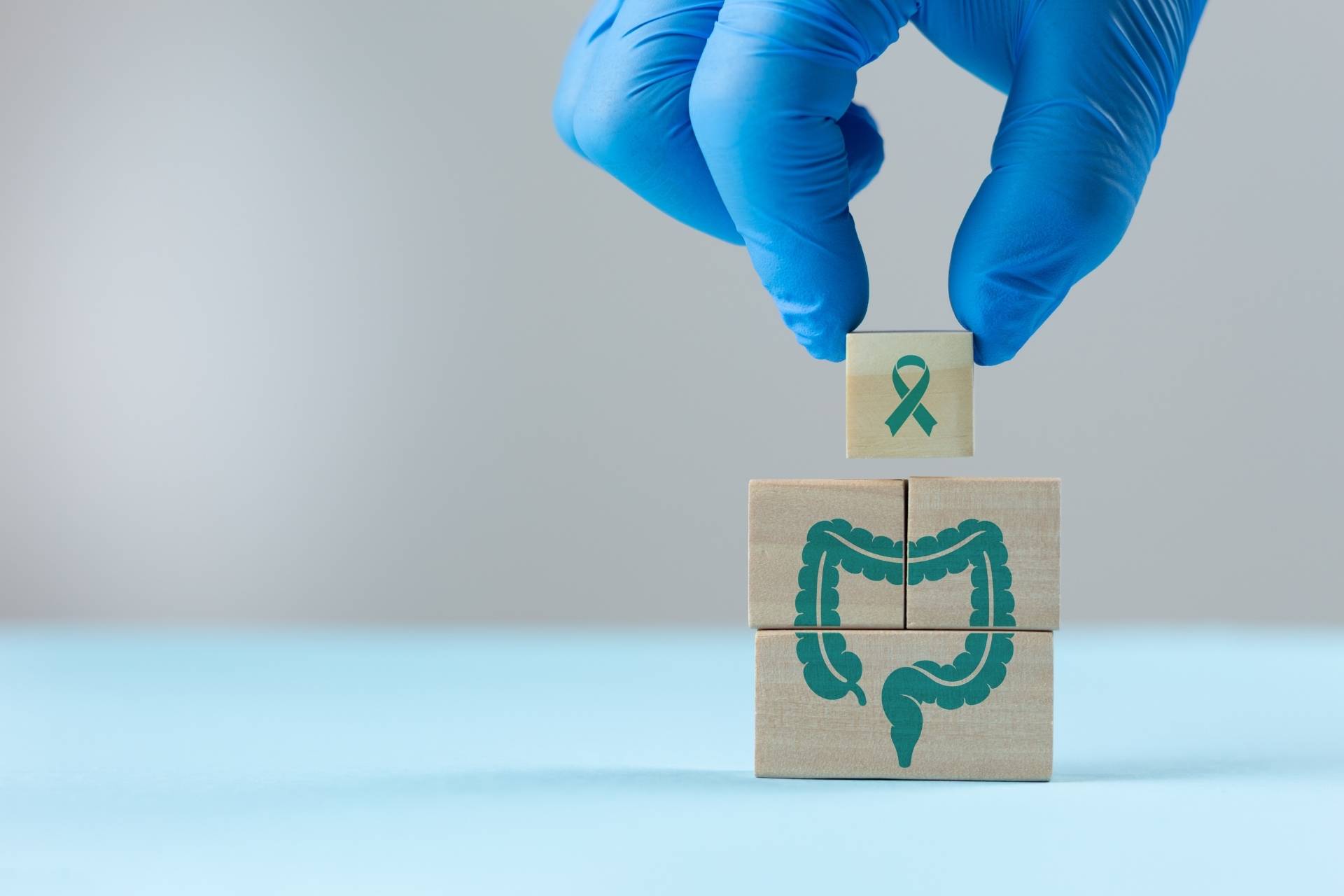
Colorectal cancer is the third most common type of cancer, accounting for about 10% of all cancers globally. Now, a new study shows that analyzing rectal mucus—a layer directly lining the bowel—can help to detect bowel cancer and precancerous lesions by combining genetic, chemical, and bacteria-based signals.
The findings, published in Nature Communications, suggest that rectal mucus sampling is a minimally invasive, effective approach for detecting colorectal cancer and other bowel diseases.
Colorectal cancer involves genetic mutations, changes in chemical tags on the DNA molecule, and alterations in the gut microbiota. These factors can sometimes be detected in tumors, blood, or stool, but it’s unclear whether rectal mucus could serve as a reliable source of disease information.
Andrew Tock at Origin Sciences in Cambridge, United Kingdom, and his colleagues set out to test a device that collects rectal mucus to see if it could help detect colorectal cancer and precancerous lesions.
Combined approach
The researchers analyzed samples from 800 people suspected of colorectal cancer and found that genes such as APC, BRAF, and TP53 were most frequently mutated in those with cancer. The amount of detectable mutations was strongest in cancers located near the rectum, where the sample was collected, than in tumors farther away.
Many colorectal cancer-related genes were located in DNA regions that had extra chemical tags called methyl groups, especially near key regulatory regions. This “hypermethylation” was most common in rectum cancers.
The team also identified 36 bacterial species—particularly Hungatella hathewayi and Intestinimonas butyriciproducens—associated with colorectal cancer. Other bacteria, such as Porphyromonas asaccharolytica and Clostridium scindens, also showed associations with cancer.
Cancer biomarker
Next, the researchers combined the three types of biological data—gene mutations, chemical tags on the DNA, and gut microbiota profiles—obtained from rectal mucus to create a “biomarker” of colorectal cancer. Key mutated genes, hypermethylated DNA regions, and certain bacteria such as Hungatella hathewayi could distinguish cancer cases from healthy controls.
Precancerous lesions fell between controls and cancers, reflecting their potential to progress to malignancy, and rectal cancers were easier to detect than tumors farther away.
Larger studies are needed to confirm how well this mucus-based method performs in real-world clinical settings, the authors say. However, they add, “we demonstrate the clinical utility of rectal mucus sampling combined with hologenomic analysis as a translatable prospective tool for diagnostic application.”
 Latest related content