
Niall Hyland (University College Cork) discussed the research on gut brain axis and the potential role of psychobiotics.
The findings of a new research may inform strategies for treating intestinal diseases by targeting pathogens without killing beneficial gut bacteria.
Researchers at Harvard Medical School propose to “rejuvenate” a person’s microbiota by collecting stool samples for future treatment of diseases that could be managed with fecal microbial transplantation (FMT).

Simone Guglielmetti (University of Milan) discusses the use of inactivated microbes as alternative to live probiotics.
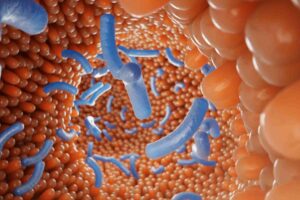
The findings of a recent study suggest that the production of inositol lipids is common in Bacteroidetes and other gut-associated bacteria, and it may be a means of cross-kingdom communication.
The partnership program aims to develop next-generation probiotics and therapeutics to modulate the gut microbiota to target areas like anxiety, depression and mental well-being.
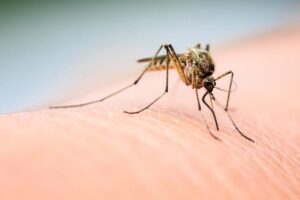
The findings of a recent study suggest that dengue and Zika viruses are able to change their host’s odor by altering the skin microbiota.
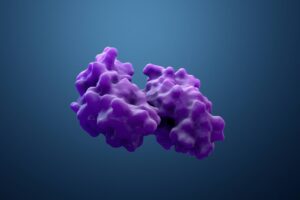
New research offers insights into how human gut bacteria recognize sulfated glycans. The findings could help to develop interventions for diseases where sulfated glycan metabolism is altered.

New research shows that microbiota diversity appears early in infants from nonindustrial populations and could be traced back to their mothers as well as to the local environment.

The findings of a small clinical trial suggest that probiotic treatment could be used in combination with antidepressant medication to treat clinical depression.