
This is the first time the Agency has authorized the Phase 3 clinical evaluation in the U.S of a microbiota-based live biotherapeutic based on a pooling technology, which provides greater…

First and only FDA-approved orally administered microbiota-based therapeutic, validating Seres’ microbiome platform –

Microbiomepost discussed with Vanessa Harris during the MicrobiotaMI congress 2023 about viral interaction with gut microbiome.

The VE303 study would be the first pivotal Phase 3 study of a therapeutic candidate based on a defined bacterial consortium, which Vedanta is pioneering as a next-generation approach to…

The findings of a recent study suggest that tilimycin-producing bacteria can cause genetic mutations in the colon and increase a person’s susceptibility to disease.

The study reveals a connection between gut microbiome changes and the most prevalent form of alcohol misuse in adolescence, occurring even before the onset of addiction.

Watch the mode of action video to understand how this solution works to positively affect the natural balance between bone formation and bone resorption.

Maria Rescigno, professor at Humanitas University, discusses with MicrobioomePost what emerged at MicrobiotaMI congress 2023.
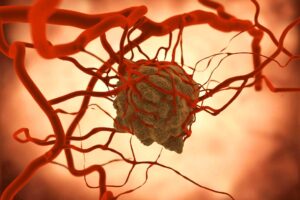
The findings of a new study shed light on a general mechanism by which gut bacteria may influence anti-cancer immune responses.

The findings of a new study suggest that mothers transmit bacteria to their infants through multiple routes — a process that ensures that babies receive essential microbes.