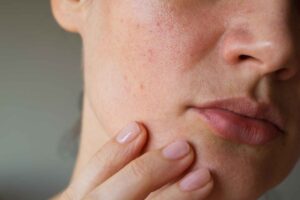
The findings reveal an important mechanism through which commensal microbes influence skin’s health. The results may also help to inform treatments for people with skin conditions.

Bone resorption increases the risk of osteopenia and osteoporosis during and after menopause – learn about the importance of the gut microbiota to support healthy bones.

Alessio Fasano, pediatric gastroenterologist and researcher at Harvard Medical School, talks about the mechanistic link between gut microbiome and disease pathogenesis and the impact on the future clinical practice.
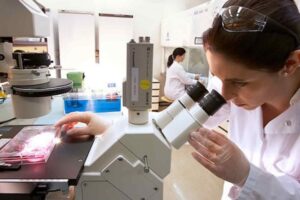
Nestlé, a global leader in nutrition and wellness, is taking a giant leap forward in early-life nutrition with its latest innovation – Sinergity.

Industry
Sponsored by

The acquisition brings together two complementary forces, continue to respond to customer needs and help their growth with their respective strengths.
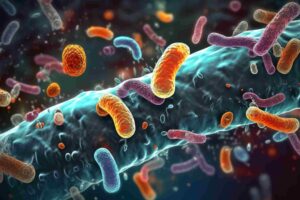
A recent study introduces a novel technique for developing next-generation probiotics, achieved by enabling strictly anaerobic bacteria to tolerate oxygen exposure without compromising their potential beneficial properties.

This study highlights the potential risks associated with the use of nanoparticles in food production and processing.

Gianluca Ianiro, from Gemelli Hospital in Rome, discusses the key determinants of success of FMT in the treatment of C. Difficile infections and other conditions.
Industry
Sponsored by
Lallemand launches Expert’Biome™ CDMO to support partners in their development of next-generation strains.

The findings suggest that Dau-d4 can supplement current DPP4 treatment approaches for type 2 diabetes.