
MOZAIC, an AI model designed to compare donor and recipients microbiotas, predicted the microbiota convergence after FMT with an accuracy of about 80%.

The findings highlight TnAse producing gut microbiota, indole, and AhR as promising therapeutic targets for IBS-associated affective disturbances.

According to Stephen Michael Collins, McMaster University, these vesicles may represent not only a new component of the microbiota–gut–brain axis, but also a promising platform for future targeted drug, vaccine…
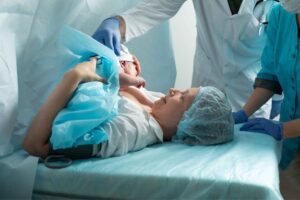
Restoring missing maternal microbes after C-section birth could be a new strategy to support early neurodevelopment.

The work of Angela Sessitsch, Head of Center at Austrian Institute of Technology, shows that environmental pressures such as drought can substantially reshape the plant microbiome.
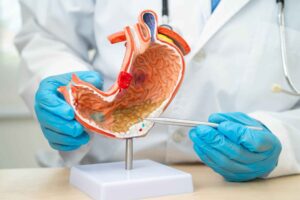
Microbes migrating from the mouth to the gut may play a role in gastric cancer and could become targets for diagnosis or treatment.
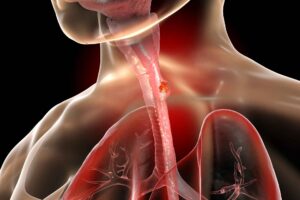
Lactobacillus salivarius can make cancer immunotherapy less effective by producing indole-3-lactic acid (ILA), that weakens the body’s anti-tumor immune response.
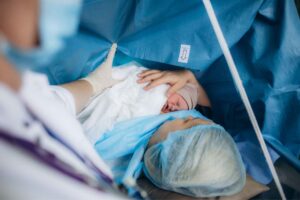
Early interventions targeting the infant gut microbiota, especially in babies born by C-section, may reduce the probability of neurodevelopmental conditions such as autism.

Supplementation with key beneficial bacteria, alongside efforts to reduce breastfeeding barriers, may offer scalable strategies to reduce socioeconomic health disparities.
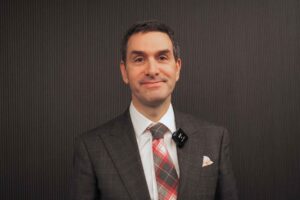
David Suissa, CEO of BYOME LABS, discusses the growing interest in microbiome research, from the gut and vaginal ecosystems to the less explored skin, scalp and oral microbiomes.