The type of dietary flavonoids we consume could influence the gut microbiota, according to a new study published in mBio.
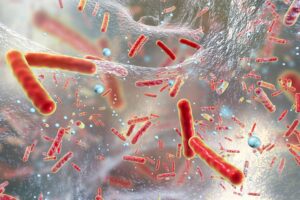
Researchers have found an antimicrobial molecule produced by the gut microbiota that can fight multidrug-resistant bacteria.
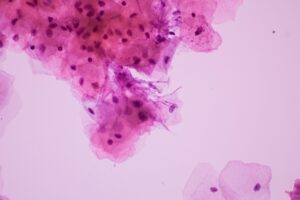
Transplanting vaginal fluids from one woman to another could restore the bacterial microbiota and help treat severe cases of a common vaginal inflammation.

A study published in Science shows that the gut microbiota influences daily rhythms through a mechanism by which gut microbes control host metabolism.

IPA (International Probiotics Association) Europe is a non-profit international organization of leading European companies in the probiotic field. We discuss IPA's role with its president Esben Laulund.
Diet could be an important determinant of antibiotic-induced disruption of the gut microbiota, a study published in Cell Metabolism claims.
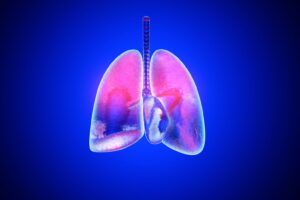
A team of scientists of the Monash University in Melbourne reviewed the role of the lung and gut microbiota in respiratory health and disease.

An Italian study carried out at the University of Bologna investigated the relationship between longevity and the microbiota. We discussed it with Professor Patrizia Brigidi, coordinator of the project.
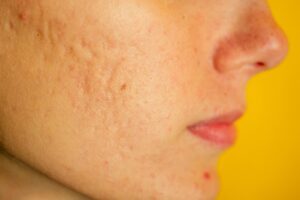
Researchers at the University of Debrecen proposed that acne is caused by a transient inflammatory interaction of teenager facial skin with its microbiota.
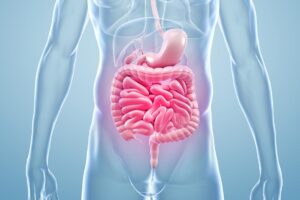
Interesting results on the effectiveness of FMT in IBS and on the effects of diet and drugs on the gut microbiota composition and functionality were presented at the UEG 2019…