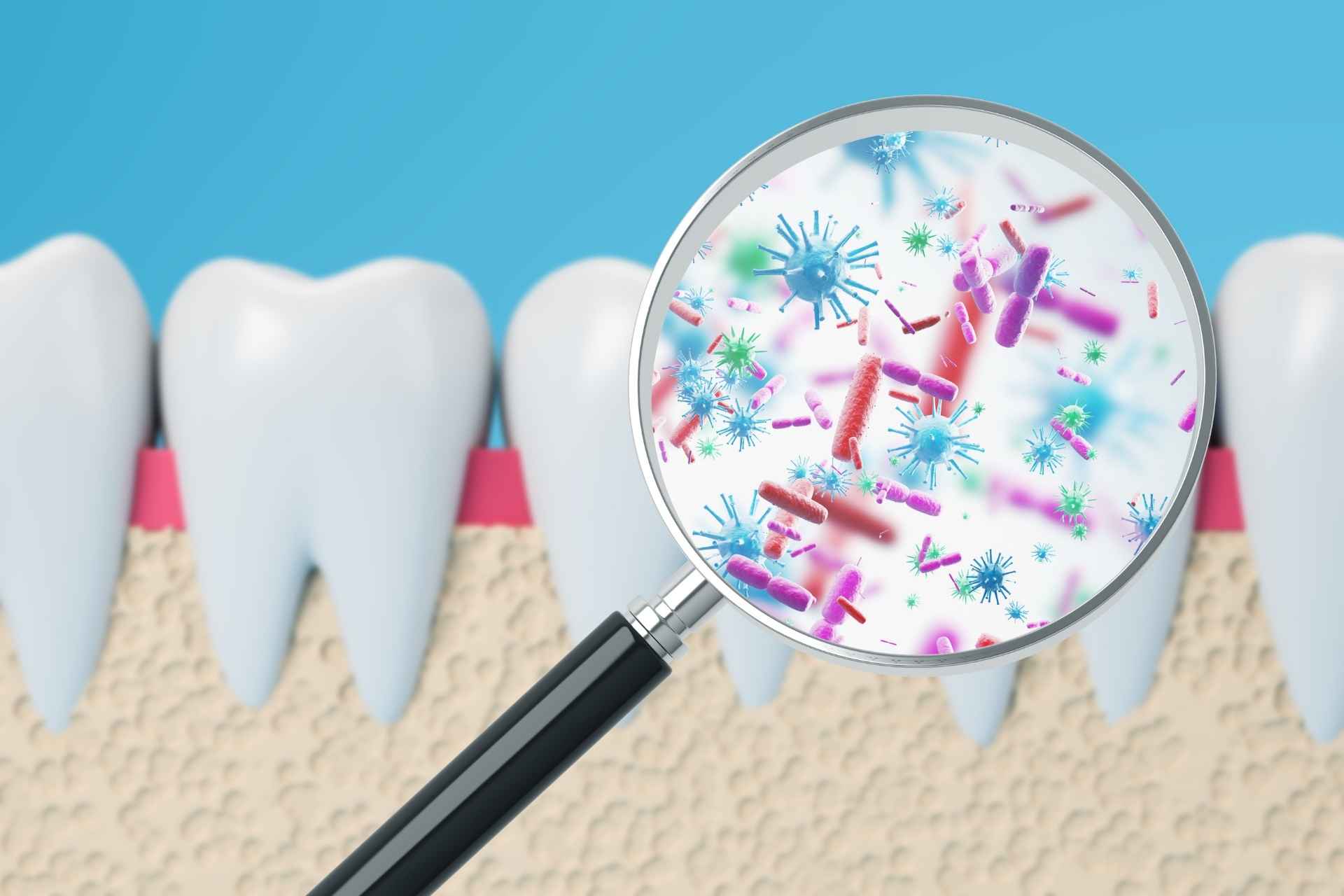
The human mouth hosts a community of microbes that affect not only oral health but also heart, gut, and autoimmune conditions. Now, researchers have created the most comprehensive catalog of human oral microbes to date, uncovering thousands of previously unknown species and revealing links between oral microbes, gum disease, and systemic health.
The findings, published in Cell Host & Microbe, help improve microbial identification, highlight oral-gut microbial connections, and provide a resource for studying oral health.
Modern DNA-based methods have revealed many previously unknown species, but existing databases mostly cover bacteria that are easily cultured in the lab. So, researchers led by Jun Hyung Cha at Yonsei University in Seoul, Korea, set out to assemble high-quality microbial genomes from thousands of oral DNA samples.
Comprehensive catalog
The researchers created a microbial catalog, which they called HROM (human reference oral microbiome), containing 72,641 high-quality genomes from 3,426 species. More than half of these species had not been described before. By providing a much larger reference than existing catalogs, HROM allows scientists to identify oral bacteria more accurately in DNA samples, the authors say.
The team also identified more than 1,100 new species of Patescibacteria, which have reduced genomes and live as parasites on other bacteria in the mouth. Despite their small size, Patescibacteria appear to play an important role by contributing to biofilm formation, protecting other bacteria from stress, delivering nutrients, and defending against viruses.
A previously unknown group of these bacteria was associated with periodontitis, a severe form of gum disease. Together with the well-known pathogen Porphyromonas gingivalis, these bacteria help predict periodontitis, the researchers found.
Disease links
Comparing HROM to a comprehensive catalog of the gut microbiota, the team identified 330 bacterial species present in both environments. Some species live in both the mouth and the gut, while others are typically found in the mouth but occasionally appear in the gut.
These bacteria are enriched in people with heart, gut, and liver conditions, suggesting that they may contribute to systemic inflammation. For example, several of these species could predict colorectal cancer, the authors say.
The findings suggest that oral microbes may influence health far beyond the mouth, they add. “HROM offers an expanded view of the oral microbiome and highlights the clinical importance of further examining the links between oral microbes and systemic disorders.”
 Latest related content