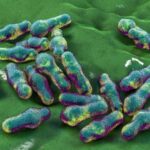
During pregnancy, the immune system undergoes major changes, and disruptions in immune balance are linked to pregnancy complications such as miscarriage and preterm birth. Now, researchers have found that the gut microbiota regulates key immune cells during pregnancy, and when this system is altered, the risk of pregnancy loss rises.
The findings, published in Cell, suggest that maintaining a healthy gut microbiota could be critical for preventing immune-related pregnancy complications.
Scientists have known that the gut microbiota can influence immune function, but it’s not well understood how gut microbes shape immune responses and how microbiota-derived metabolites regulate immune cells.
So, Julia Brown at Weill Cornell Medicine in New York and her colleagues studied how the gut microbiota influences maternal-fetal immune tolerance using mice and human data.
Immune imbalance
In pregnant mice, the gut became more “leaky” and the composition of gut bacteria changed. These shifts were linked to alterations in immune cells in the intestine. Mice without gut bacteria or with disrupted gut bacteria after treatment with the antibiotic vancomycin had higher rates of fetal death and abnormal immune signals in the placenta and uterus.
In these animals, placentas had more immune cells that attack fetal cells and higher levels of inflammatory molecules, resulting in increased pregnancy loss. Key immune cells that typically help suppress harmful immune responses in the placenta were fewer or less effective in mice lacking gut microbes.
However, microbial metabolites derived from the amino acid tryptophan helped these immune cells work properly, the researchers found.
Pregnancy loss
Tissue from women with recurrent miscarriages showed similar immune problems, with key immune cells and gut-derived metabolites being disrupted. The findings suggest that these problems can contribute to recurrent pregnancy loss in humans, the researchers say.
Although the study shows that gut bacteria help train immune cells during pregnancy, more research is needed to understand how other body microbes contribute and exactly how these immune signals affect fetal health.
More studies are also needed to see how these results apply to people, the authors say. “Our mouse study may provide insights into specific immune pathways that are perturbed due to loss of vancomycin-sensitive gut bacteria and microbiota-derived tryptophan derivatives; this, however, needs to be further validated in controlled human studies.”
 Latest related content