
Strains of a particular microbe could boost the production of GABA—a neurotransmitter that plays a key role in anxiety and depression disorders.
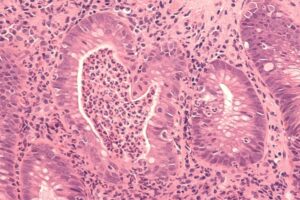
Researchers have found that disrupting the microbiota-gut axis by altering circadian rhythms or diet can drive Crohn-like inflammation of the intestine in mice.
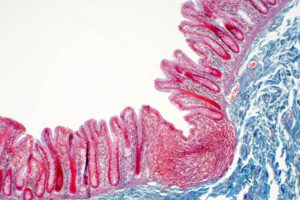
A gut microbiota-modulated neural pathway can regulate blood sugar independently from the central nervous system, a new study pubblished in Science claims.
Fecal microbial transplant could be a promising treatment for intestinal graft-versus-host disease caused by stem cell transplantation.
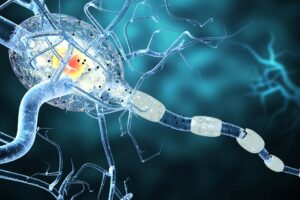
A new study published in Nature found that a specific combination of gut microbes can worsen the symptoms of multiple sclerosis in mice.
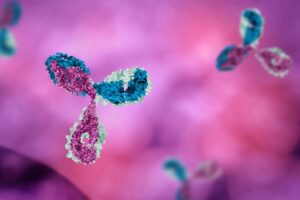
The gut microbiota can shape our antibodies before we encounter a disease-causing microbe, a new study published in Nature has found.
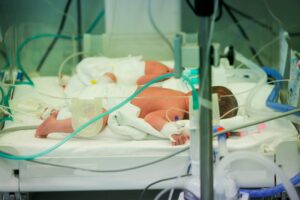
Researchers have found that giving preterm babies probiotics can help to improve the gut microbiota and displace harmful bacteria.

A new study helps to explain how nerve cells sense the microbes in the gut and how they coordinate their function with other tissues in the digestive tract.

A new study suggests that 24-hour changes in the gut microbiota could help to predict who’s at risk of developing type 2 diabetes.
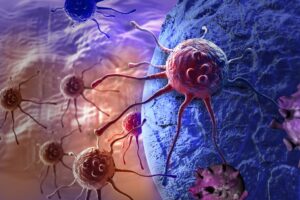
A metabolite produced by the gut microbiota increases the risk of colon cancer in mice prone to the disease, a new study has found.