
Dietary fiber can influence the production of several microbial metabolites that may modify the human gut microbiome and, more in general, health.
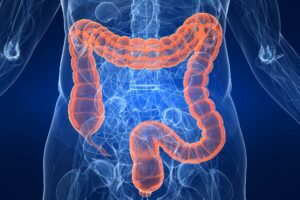
Different gut metabolites can influence the Cryptosporidium parasite’s growth and invasion of intestinal cells. A new study published in mBio claims.

The interaction between newborns’ epithelia and the microbiota is crucial to the balance of the oral mucosa and it can have long-term health consequences.

The 3rd Edition Marketsandmarkets Next Gen Microbiome and Probiotics - Virtual Conference, scheduled to be held on 25th and 26th February 2021 will go live to unite global industry attendees…

TCGA allows to explore the role of tissue-resident microbiota in various cancer types and identifying predictive microbial biomarkers.
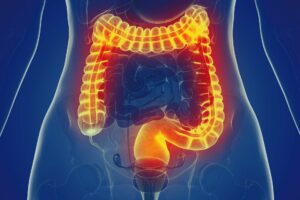
Immune responses to the gut microbiota can be used as biomarkers of clinical course in IBD or as targets for the treatment or prevention of the condition.
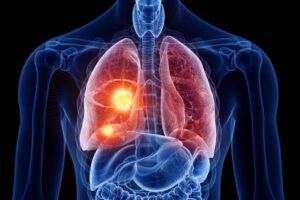
Decreased microbial diversity and increased abundance of Firmicutes phylum in the respiratory tract may be associated with an increased risk of lung cancer.

The findings suggest that delivery mode, rather than birth canal exposure, has a strong influence on the composition of the infant microbiota.
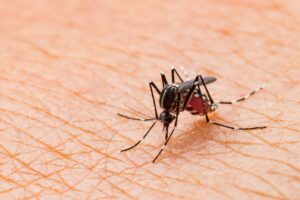
Modulating the gut microbiota could help to increase Plasmodium-specific immunity, thus reducing disease severity and malaria-associated mortality.
Researches have found that MDD is characterized by disturbances in the gut microbiota and may allow clinicians to better diagnose it.