
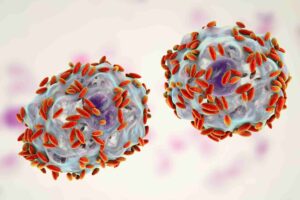
The findings of a recent study imply that Fusobacterium nucleatum may play a causal role in worsening RA, offering potential therapeutic targets for effectively alleviating RA symptoms.

The highlights of the Postbiotics Discussion Panel that took place in Bratislava during IPC 2023.
The FDA has granted orphan drug designation for IBT’s product IBP-1016 for gastroschisis.

The transaction represents an enterprise value of €275 million, an estimated 2023 EV/EBITDA multiple of 18x.

The findings of a recent study may help to develop diagnostic or therapeutic approaches to reduce bacterial bloodstream infections in newborns.
Cocaine users have an altered gut and oral microbiota composition and function, which can be rescued by rTMS-induced cocaine abstinence.
MAP 315, is a novel live biotherapeutic product being developed for the treatment of ulcerative colitis and was discovered and developed using Microba’s data-driven Therapeutics Platform.
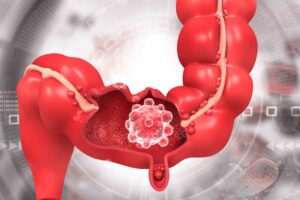
By providing insights into how the gut microbiota influences cancer susceptibility, the findings may help to develop new therapies or dietary interventions.
The findings of a recent study suggest that vaginal bacteria can spread to the urinary tract of men and reshape the male urethral microbiota.

Biofarma Group's R&D to support people in the pre-depressive phase.