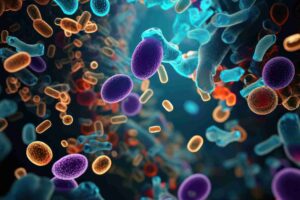
A recent study analyzed microbial colonization in people with RAG deficiency to shed light on the effects of secondary immunodeficiencies.
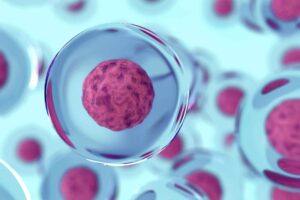
Results from a recent study suggest a correlation between the diversity and composition of the gut microbiota prior to transplantation and both the patient's survival and the probability of developing…
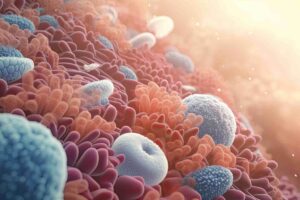
The findings of a recent study suggest that a mixture of B. infantis and HMOs can modulate the gut microbiota in adults.

The findings of a recent study suggest that resistant-starch supplements can alter the gut microbiota in ways that alleviate NAFLD.

In a significant move to expand its immuno-oncology portfolio, Boehringer Ingelheim has acquired T3 Pharmaceuticals AG, a Swiss biotech company specializing in bacterial cancer therapy.

Epatrex, a new nutraceutical compound formulated as a three-layer tablet containing the probiotic Lactobacillus casei LC-XCAL.

Microbial differences may help to identify targets that could be modulated to mitigate health inequities.
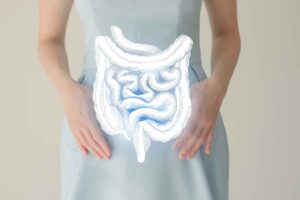
The interplay between micronutrients and the microbiome is a significant factor in determining the risk of vitamin and mineral deficiencies, which has implications for global public health.
The therapy, combining human milk oligosaccharides (HMOs) and a specific gut bacteria strain, represents not only a scientific breakthrough but also holds substantial economic implications.
The findings suggest that lysine lactylation contributes to metabolic regulation in bacteria and that GNAT13 may limit sucrose-driven biofilm formation.