
Some gut bacteria might influence mood and prevent depression, according to a new study published in Nature Biotechnology.

According to a new study, the microbiota of breast milk depends on whether the milk is pumped or fed to an infant directly from the breast.
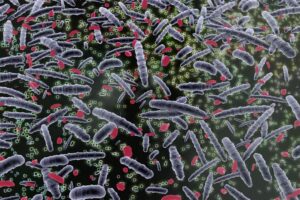
An Italian study published in Cell has identified over 5,000 new species of bacteria and archaea belonging to the human microbiota.
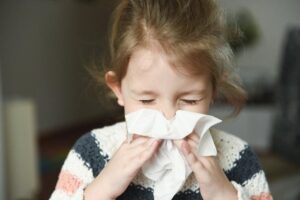
A Swiss study suggests that some specific nose bacteria are related to the duration of colds and cough in children.

The gut microbiota reduces the production of retinoic acid, a metabolite of vitamin A, to regulate immune activity and prevent pathogens.
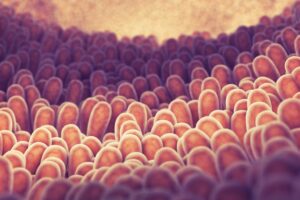
Lactic-acid-producing bacteria support the regeneration of the gut lining by promoting the growth and differentiation of intestinal stem cells.
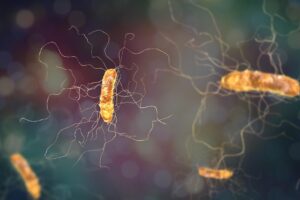
Fecal microbiota transplantation can be safely done either with lyophilized or frozen product, found a clinical trial published in the journal PLOS ONE.
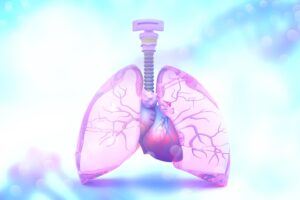
The lower airway microbiota forms within the first 2 months of life, influenced by the gestational age at birth and, in premature babies, the delivery mode.
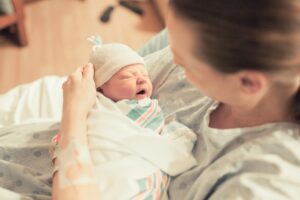
Commensal gut microbes are inherited from parents and change little over generations, whereas pathogens tend to be transmitted between non-kin individuals.
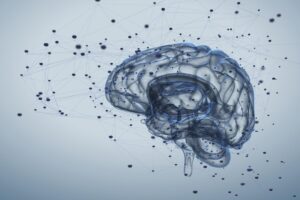
Lactobacillus reuteri can improve social behavior in different mouse models of autism spectrum disorder, researchers have found.