
A study published in Science shows that the gut microbiota influences daily rhythms through a mechanism by which gut microbes control host metabolism.
Diet could be an important determinant of antibiotic-induced disruption of the gut microbiota, a study published in Cell Metabolism claims.
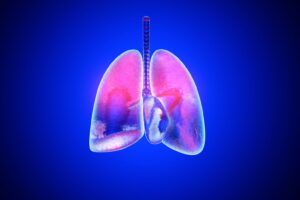
A team of scientists of the Monash University in Melbourne reviewed the role of the lung and gut microbiota in respiratory health and disease.
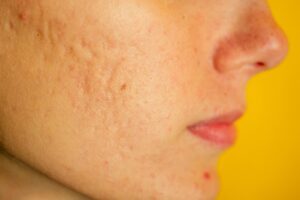
Researchers at the University of Debrecen proposed that acne is caused by a transient inflammatory interaction of teenager facial skin with its microbiota.
Disrupting the gut microbiota with antibiotics could affect the immune response to flu vaccination, according to a new study published in Cell.
Researchers developed a rapid method to investigate how diet, drugs and the microbiota interact to influence host health.
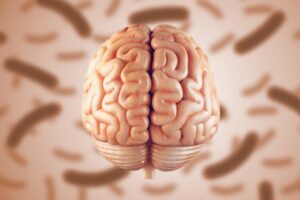
John Cryan at the UCC Ireland and his colleagues reviewed the current knowledge of the influence that gut bacteria have on brain and behavior.

The skin microbiota could help to identify who’s more at risk of developing childhood eczema through a "skin health indicator", researchers have found.

The vaginal microbiota can reduce a woman’s susceptibility to Chlamydia infections. A new study could lead to new strategies against STIs.
Scientists have discovered thousands of small proteins, which had not been identified previously. The findings, published in Cell, could help drug development.