
The alterations in gut microbial composition could play a role in the gastrointestinal complications associated with Parkinson’s disease.

A bacterial strain, called Staphylococcus hominis A9, inhibited the expression of a S. aureus toxin that promotes inflammation in atopic dermatitis.

The gut microbiota make-up could determine whether a person will benefit from the beneficial effects of the Mediterranean diet.
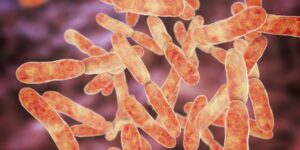
Probiotics such as Lactobacillus and Bifidobacterium can activate a person’s immune system and improve the response to some anti-cancer therapies.
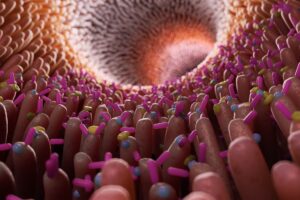
The way gut bacteria increase their access to nutrients by adhering to food particles, could advance the development of microbiota-based diagnostics.
The Gut Phage Database, within more than 140,000 viral species, is a blueprint to guide ecological and evolutionary analysis in future virome studies.

Microbiota changes in advanced age may not simply be diagnostic of healthy aging, but they could also contribute to health as people become older.
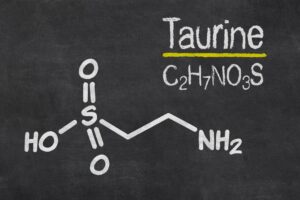
Intestinal infections ‘train’ the gut microbiota to produce taurine, which promotes the growth of protective gut bacteria.

A new study published in Science Advances suggest that the gut microbiota should be considered when studying the regulation of maternal behavior.
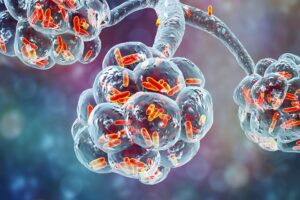
A better understanding of the distribution and composition of airway microbiota could help to protect people against pneumonia.