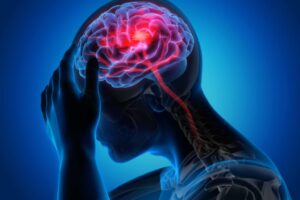
A diet rich in red meat tend seems to increase risk of developing cardiovascular diseases such as heart attack and stroke. A new study published in Nature Microbiology claims.
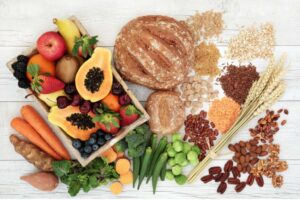
A high-fiber diet may improve melanoma patients’ response to immunotherapy. A new study published in Science claims.
Antibiotics can alter the skin microbiota and lead to the emergence of antibiotic resistance. A new study published in Science Translational Medicine.
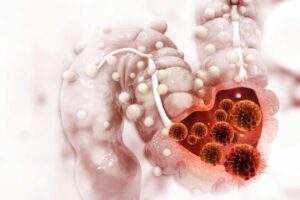
Lactobacillus reuteri can protect against colorectal cancer through reuterin, one of its metabolites. A new study published in Cencer Cell claims
Profiling the bacteria and viruses residing in the human body could help to diagnose different pathogens and develop new targeted interventions.
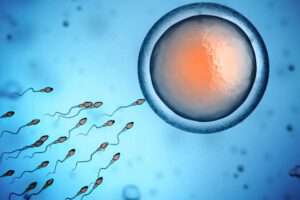
A high-fat diet induces gut microbial alterations and leads to male infertility. A new study published in Gut claims.
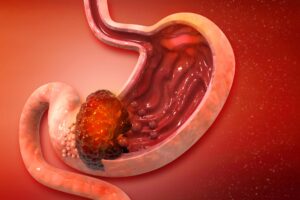
Alterations in the levels of gut-dwelling Streptococcus microbes are associated with the development of gastric cancer and the associated liver metastases.

Some gut microbes can affect the timing of puberty by regulating the levels of sex hormones in a sex-dependent manner. A new study published in Scientific Reports claims.

Autistic people who experience inflammatory problems may have been exposed to inflammation in the maternal womb. A new study published in Immunity claims.

A new study (Nature) helps to understand why people who stop smoking often gain weight.