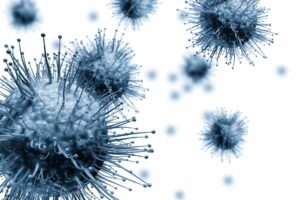
The virome might be used in therapeutic approaches: eliminating or replacing disease-driving intestinal viruses with health-promoting viruses may be beneficial for people with IBD.
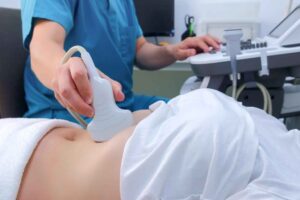
Researchers found that models of conventional risk factors and data on the gut microbiota improved the prediction of liver diseases
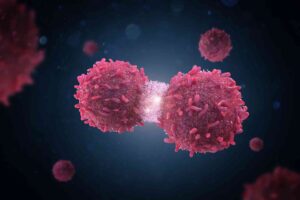
New research indicates that the tumor-resident microbiota can promote the formation of metastases as well as the survival of cancer cells during tumor progression.
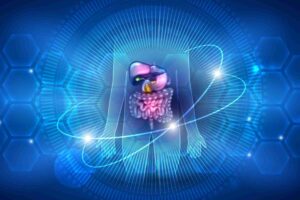
By analyzing stool samples from dozens of people in Sweden, researchers have found that the microbiota isn’t stable in adulthood.

Researchers have identified 10 species whose abundance was linked to blood levels of TMAO, a metabolite associated with cardiovascular diseases

Researchers have found that cooperation among microbial cells may be one of causes of this drug tolerance.

Repeated fecal microbiota transplants can improve the gut colonization of beneficial microbes in people with obesity and type 2 diabetes.
To elucidate the role of the microbiota in PSC, researchers studied a type of immune cells called mucosal-associated invariant T (MAIT) cells, which are abundant in the liver.

Researchers have found that gut microbes can help frogs to cope with hot temperatures. The findings could pave the way to for new conservation approaches for animals threatened by climate…

The impact of age-induced microbiota alterations facilitates the accumulation of CML metabolite in the microglia of mice and humans.