The gut microbiota influences processes including digestion, immunity, and metabolism, and its disruptions are linked to conditions such as inflammatory bowel disease and metabolic disorders. But while fecal microbiota transplants and probiotics can sometimes help, their effects are often unpredictable and short-lived.
Now, in a Forum article published in Cell Host & Microbe, Diego Rivera Gelsinger at the University of California, Los Angeles, and Harris Wang at Columbia University in New York argue that scientists should move beyond replacing whole microbial communities and instead precisely edit bacteria already living in the gut.
Fecal microbiota transplantation can resolve 80% to 90% of recurrent Clostridioides difficile infections, but results in inflammatory bowel disease and metabolic conditions have been inconsistent.
One reason is that resident bacteria already occupy available niches, compete for nutrients, and interact with the immune system, so probiotics and transplanted microbes often fail to establish themselves. So, the authors suggest modifying native microbes that are already adapted to the host.
Editing microbes
Recent studies have shown that bacteria can be genetically edited inside the gut, and researchers have developed genetic tools for more than 140 gut microbial species. In one study, deleting a single bacterial gene involved in bile-acid metabolism altered the host’s bile acids, reshaped the wider microbial community, and affected susceptibility to colitis in mice.
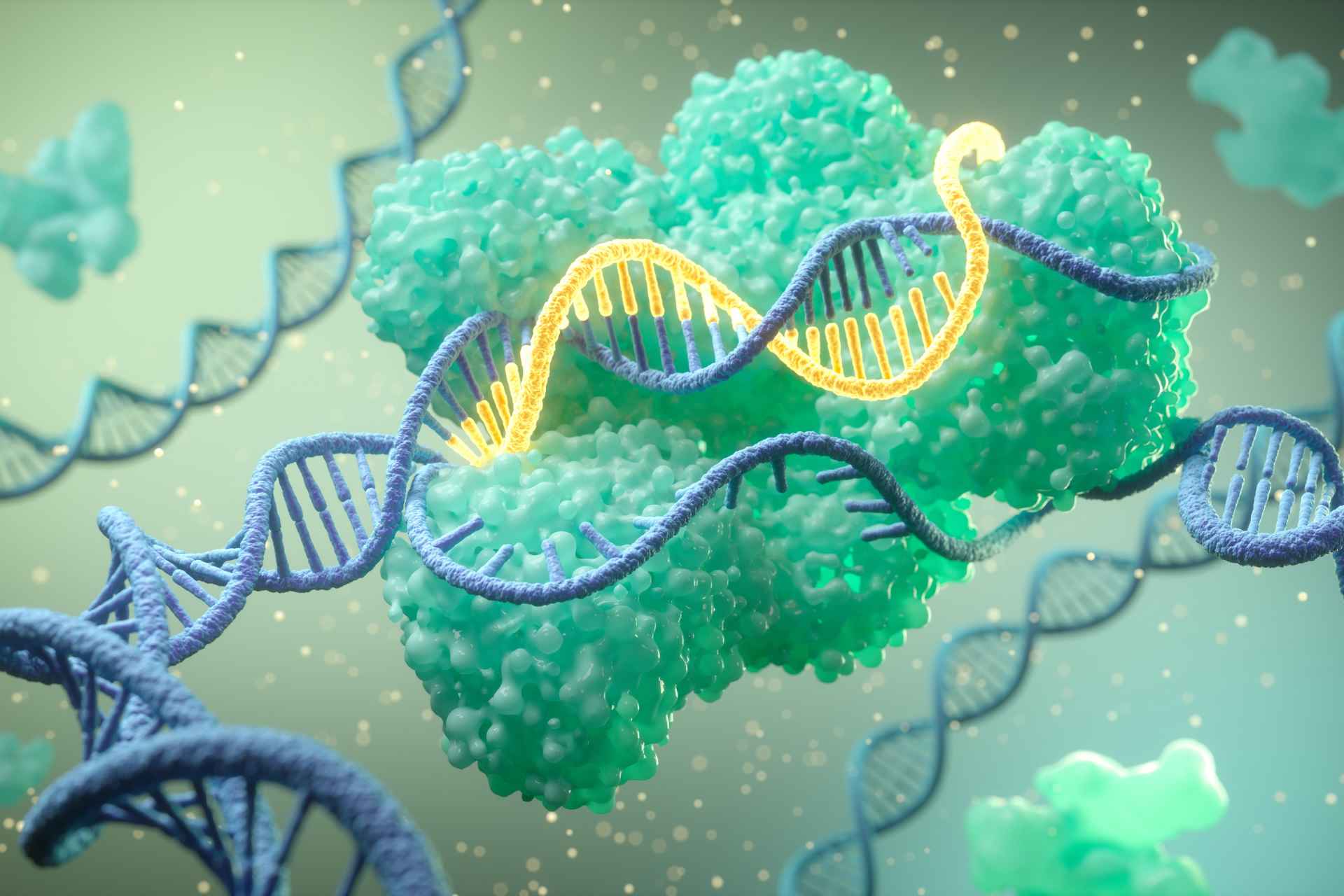
Also in mice, researchers used a CRISPR-based tool to add new DNA to Bacteroides bacteria already living in the gut, and more than 99% of the edits went into the intended bacterial species. The inserted genes allowed the bacteria to use a specific dietary carbohydrate, meaning their abundance could be increased by supplying the nutrient and reduced by withdrawing it.
A related system disrupted a toxin gene in disease-causing Escherichia coli. Rather than killing the bacteria, the treatment stopped toxin production, reduced attachment to gut cells, and improved survival in infected mice.
Promise and safety
A human trial has already tested dietary control of an engineered gut bacterium. Researchers modified Phocaeicola vulgatus to digest porphyran, a seaweed-derived carbohydrate that most gut microbes in Western populations cannot use. Porphyran supplements increased the engineered strain, while withdrawal caused it to decline.
The trial also revealed that engineered genes could transfer to other gut bacteria, so future therapies will need strong containment measures, the authors say. Although delivery, safety, and regulatory challenges remain, they add, reprogramming native gut bacteria could make microbiota treatments more precise and controllable.
“The fundamental conceptual problem that has limited microbiome therapeutics, the gap between community-level manipulation and targeted, mechanistic control, now has a credible path toward resolution,” they say. “The field is better positioned than it has ever been to make that transition.”
 Latest related content