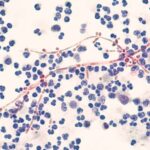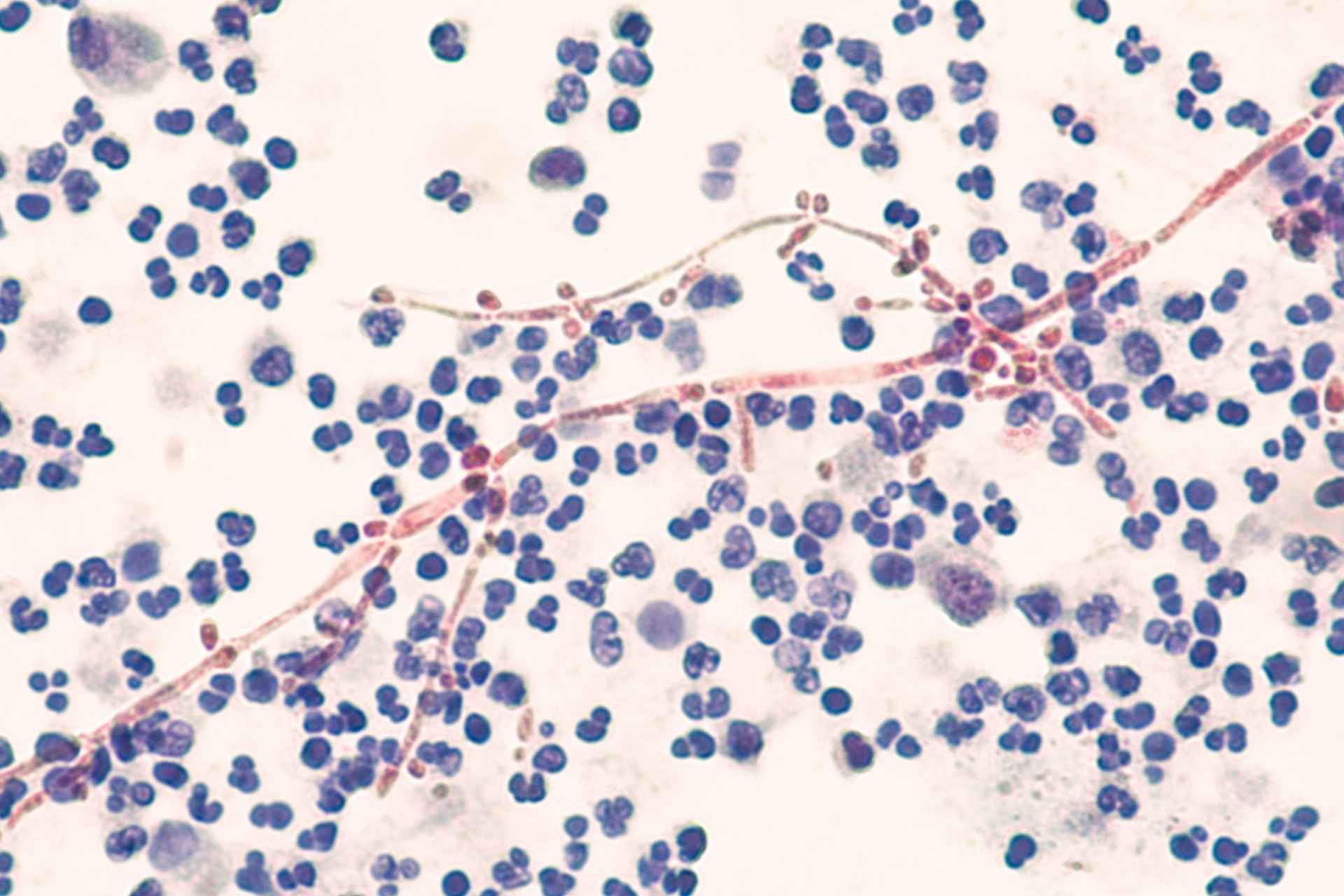
The fungus Candida albicans often lives harmlessly in the gut, but in vulnerable people it can spread and cause severe infection. Researchers have now found that microbial-derived short-chain fatty acids (SCFAs) may help keep Candida in check by stressing the fungus and supporting a protective gut microbiota.
The findings, published in Cell Host & Microbe, suggest that microbiota-targeted approaches that boost specific SCFAs could help prevent harmful Candida overgrowth in vulnerable people.
Previous work showed that certain gut bacteria protect against Candida, but the exact mechanisms aren’t clear. So, researchers led by Animesh Mishra at the University of Texas Southwestern Medical Center in Dallas tested whether SCFAs help stop Candida from overgrowing in the gut.
Preventing growth
In cells grown in a lab dish, the SCFAs butyrate and propionate slowed Candida growth, the researchers found. When exposed to these SCFAs, Candida changed the activity of thousands of genes, including genes involved in growth, protein-making and DNA replication. At the same time, genes involved in stress responses were turned up.
SCFAs also reduced Candida’s ability to take up sugar, making it harder for the fungus to consume its key fuel. Butyrate and propionate also caused a reduction of key molecules used in Candida’s energy metabolism.
Further experiments showed that SCFAs made the inside of Candida cells more acidic, which reduces fungal growth.
Path to application
In mice, antibiotics lowered SCFAs levels and made it easier for Candida to colonize the gut. However, adding SCFAs to drinking water reduced gut Candida levels. However, germ-free mice or animals treated with antibiotics were less protected, suggesting that the effect is strogest only when gut bacteria are present.
To further test the effect of SCFAs, the researchers used a microbial strain that could not make propionate. Mice colonized with this microbe had higher Candida levels than mice colonized with microbes that could make propionate.
Finally, the researchers designed a prebiotic that releases propionate in the gut and found that it raised propionate levels and reduced fungal burden in mice. “The translational implications are clear,” they say. “Strategies to augment SCFA levels (via diet, engineered probiotics, or SCFA-conjugated prebiotics) represent a promising avenue to restore colonization resistance in patients at high risk for invasive candidiasis.”
 Latest related content