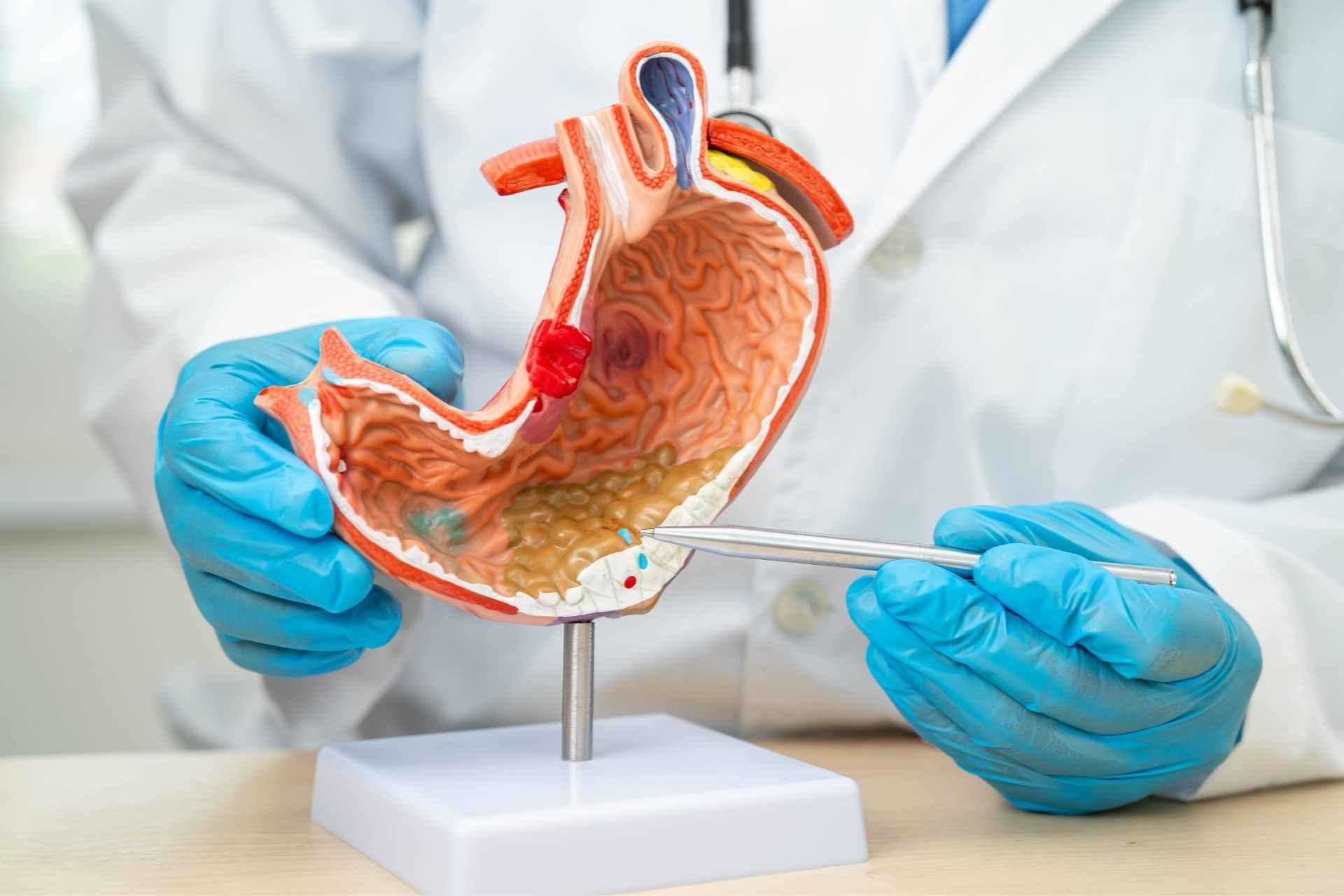
Gastric cancer is a major cause of death, especially in East Asia. New research now shows that when changes in the stomach make the gut more hospitable, mouth bacteria may colonize it and promote conditions that support tumor growth.
The findings, published in Cell Reports Medicine, suggest that microbes migrating from the mouth to the gut may play a role in gastric cancer and could become targets for diagnosis or treatment.
The microbe Helicobacter pylori is a well-known risk factor for gastric cancer, but most infected people never develop cancer, which suggests other microbes may also play a role. Previous studies found unusual bacterial communities in the stomach, gut, and mouth of people with gastric cancer, but the identity of such microbes at the species level remains unknown.
So, researchers led by Youwen Qin at Southern Medical University in Shenzhen, China, analyzed the DNA of bacteria in stool and saliva samples from 317 people with gastric cancer or chronic gastritis.
Mouth-associated microbes
In stool samples, the team identified 28 bacterial species linked to gastric cancer. In saliva samples, 36 bacterial species differed between people with and without cancer, and most of these species were less abundant in cancer patients.
People with gastric cancer had more mouth-associated bacteria, especially Streptococcus and Lactobacillus species, living in the gut. Many of the bacteria increased in the guts of people with gastric cancer were species commonly found in both the mouth and gut.
To test whether these microbes may travel from mouth to gut, the researchers compared bacterial strains found in saliva and stool samples from the same person. Genetic evidence suggested some Streptococcus strains had moved from the mouth to the gut.
Microbial markers
Cancer-linked bacteria carried more genes involved in the production of lactate, which may support tumor growth. That’s because lactate can influence acidity, immunity, and tumor behavior, the authors note.
Using the microbial signatures they identified, the researchers could predict gastric cancer from stool or saliva samples with good accuracy.
“Our results validate previously reported microbial markers, identify signatures associated with [gastric cancer], and provide evidence for the oral origins of [gastric cancer]-associated bacteria,” the authors say. However, they add, the study could not show that the microbes cause gastric cancer or that the findings apply to all people, so larger studies are needed.
 Latest related content