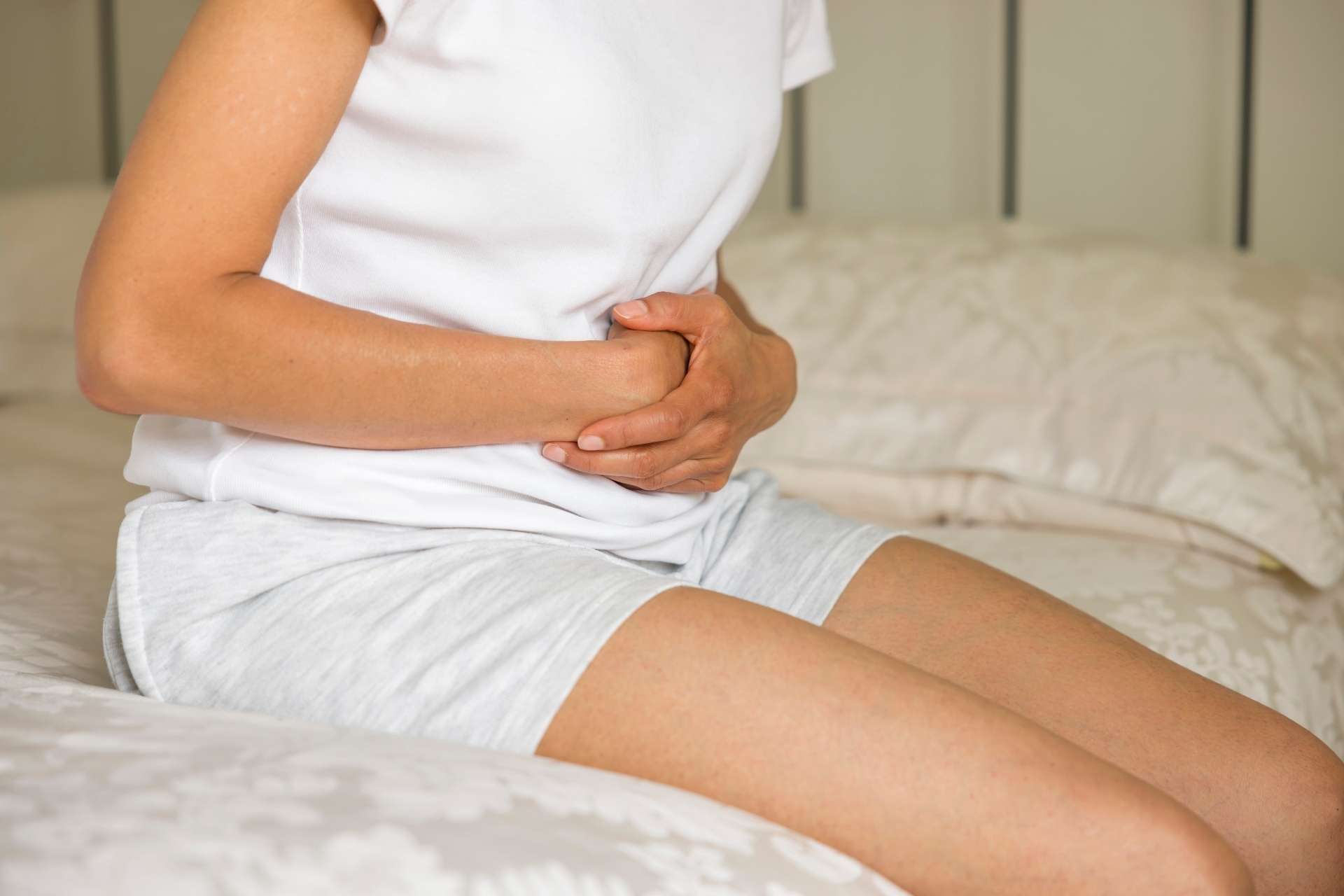
The gut microbiota supports digestion, immunity, and gut barrier health, and alterations are common in conditions such as inflammatory bowel disease (IBD). But while fecal microbiota transplants and dietary fiber can help restore balance, results vary by donor.
Now, in a Commentary published in Med, Emily Hoedt and Nicholas Talley at the University of Newcastle in Callaghan, Australia, argue that effective treatment of IBD requires an approach combining tailored donors, microbiota analysis, and diet. “To move forward, we must embrace a more nuanced, personalized approach,” they say.
Because disruptions to gut microbes are common in conditions such as IBD, including ulcerative colitis and Crohn’s disease, therapies aimed at restoring the microbiota have gained increasing attention. Fecal microbiota transplants have shown promise, particularly in ulcerative colitis, but responses remain variable, and success appears to depend on donor characteristics.
Diet, especially fiber intake, is thought to support microbial recovery, yet clinical results are inconsistent. While certain fibers can promote beneficial bacteria such as Faecalibacterium prausnitzii, many patients do not to improve or even experience worse symptoms.
These mixed outcomes suggest that microbial presence alone may not be sufficient for treating disease, and that the functional capacity of the gut microbiota—such as the ability to degrade dietary fiber—may be critical, the authors say. However, they add, “mechanistic understandings of how food components influence disease activity are limited.”
Microbial function
Recent studies suggest that successful microbiota-based therapies depend not only on introducing beneficial microbes, but also on restoring microbial function. Fiber supplements, rather than improving outcomes for all patients, may have counterproductive effects if the recipient’s microbiota lacks the enzymes needed to degrade it or converts it into inflammatory metabolites.
The authors emphasize that beneficial clinical effects arise when engrafted microbes actively produce protective metabolites—such as short-chain fatty acids—and interact appropriately with the host’s immune system. This suggests that matching donors and recipients is important.
Beyond bacteria, also fungi and viruses may influence outcomes, indicating that microbial composition alone is less important than microbial functionality and host-microbe interactions for therapeutic success.
Lasting remission
Supporting beneficial microbes while limiting inflammation can improve the effectiveness of microbiota-based therapies, the authors say. In the future, they add, larger studies will be essential to identify responders and guide precision nutrition.
Hoedt and Talley conclude that microbiota-based therapies such as fecal microbiota transplants cannot be optimized through a one-size-fits-all approach. Long-term remission in IBD and related conditions likely relies on personalized strategies combining donor selection, microbiota profiling, and tailored diet, the authors say.
“This will require interdisciplinary collaboration across microbiology, nutrition, immunology, and clinical medicine,” they add. “Only then can we unlock the full potential of microbiome-based therapies and achieve lasting remission for patients with chronic gastrointestinal diseases.”
 Latest related content