
BioAro is a biotechnology company redefining healthcare through genetic sequencing, AI development and blockchain technologies.

The findings of a new study suggest that the interplay between diet, microbiota and intestinal immunity regulates obesity, diabetes and other metabolic conditions.

Funds to be invested to further advance Clinical Microbiomics’ leading microbiome profiling and systems biology platform, and to expand into new offerings and markets
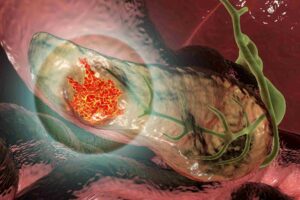
A gut microbial metabolite called trimethylamine N-oxide, or TMAO, could improve immunotherapy success in pancreatic cancer.

The findings of a new research suggest that microbiota-based therapies can help improve clinical outcomes after organ transplants.

Researchers have developed a new technique that can identify which gut microbes have migrated from the gut to the blood.

Denise Kelly (Investment Advisor at Seventure) discussed the next challenges and opportunities in the field of gut microbiome therapeutics.

A recent study shows that some bacterial strains are similar to the human host phylogeny, suggesting that they evolved alongside humans.
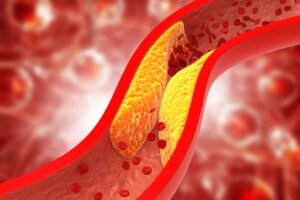
The findings of a new study suggest that Bacteroides can metabolize cholesterol, thus helping to regulate its levels in the blood.

Together with Prof. Ted Dinan (UCC Ireland), in this episode we discuss the link between gut, insomnia and anxiety.