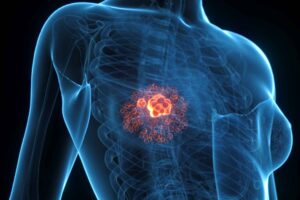
Targeting deoxycholic acid (DCA)-producing gut bacteria could be a way to slow breast cancer progression.

Nathalie Vergnolle (Inserm, France) discussed the potential role of proteases in altering the intestinal mucus layer in irritable bowel syndrome (IBS).
Microbiota-derived molecules such as IPA may offer a way to strengthen early-life immunity against respiratory viruses.

Monitoring the gut microbiota could in the future help understand, diagnose, or manage Sjögren syndrome.

William Fusco, gastroenterologist at Gemelli University Hospital in Rome, discusses the role of peppermint oil in the management of disorders of gut–brain interaction.
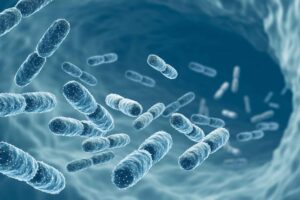
Microbial communities may be engineered at the protein-expression level because bacteria adjust their protein production in response to specific neighbors.

Sangeribacter muris KT1-3 made sepsis deadlier by amplifying inflammation driven by TLR4.

Maria Rescigno presents a preclinical study investigating a non-absorbable antibiotic with eubiotic properties in a mouse model of gastrointestinal toxicity induced by the chemotherapeutic agent 5-fluorouracil (5-FU).

MOZAIC, an AI model designed to compare donor and recipients microbiotas, predicted the microbiota convergence after FMT with an accuracy of about 80%.

The findings highlight TnAse producing gut microbiota, indole, and AhR as promising therapeutic targets for IBS-associated affective disturbances.