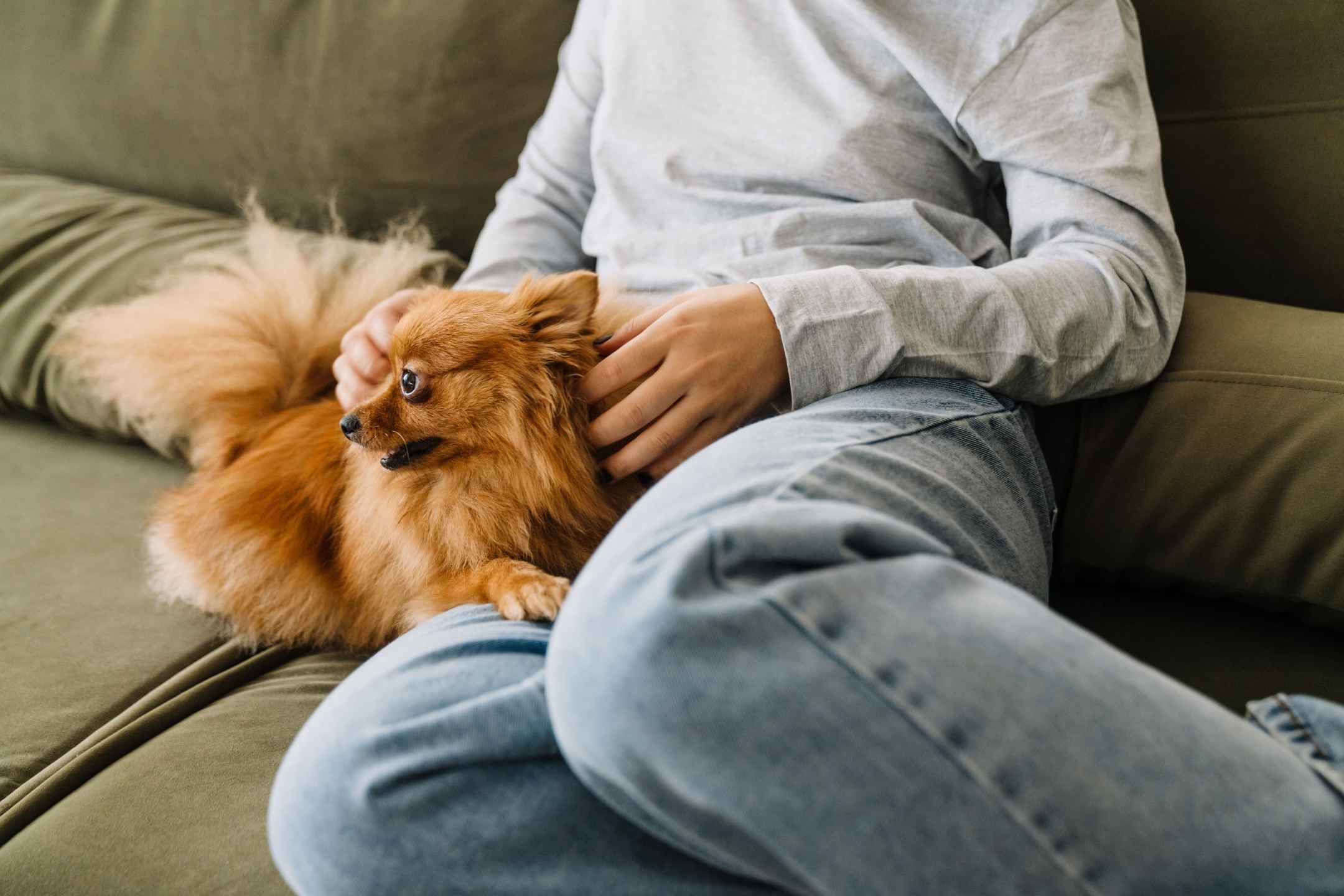
Previous research has shown that owning a dog could improve adolescents’ mental health, reduce stress, and boost social interactions, but the underlying biological mechanisms are unclear. Now, new research suggests that part of the beneficial effects of living with a dog during adolescence may be linked to changes in the microbiota—specifically certain Streptococcus bacteria.
The findings, published in iScience, suggest that the microbiota could be one of the ways through which owning a dog supports adolescents’ social development and mental well-being.
“Raising dogs has beneficial effects, especially for adolescents, and these effects may be mediated through symbiosis with microorganisms,” says study co-author Takefumi Kikusui at Azabu University in Japan.
Studies have suggested that living with a dog can change a person’s gut bacteria, but it is unknown whether the microbes acquired from living with dogs could affect adolescents’ social behavior or mental well-being. So, Kikusui and his team studied 343 adolescents, some of whom owned a dog, and assessed their microbiota and mental health.
Bacterial differences
Teens who owned a dog at age 13 showed better mental and behavioral health at age 14 than those who did not: they had fewer social problems and less social withdrawal, even after accounting for factors such as family income and size.
When the researchers analyzed saliva samples from the teens, they found that while overall oral bacteria diversity was similar between groups, certain bacteria were more common in dog owners.
Some of these bacteria, particularly in Streptococcus strains, were linked to fewer behavioral and attention problems, the researchers found.
Promoting well-being
To explore whether bacteria from dog-owners could influence social behavior, the researchers transferred saliva microbes from these teens into germ-free mice.
Compared with mice receiving microbes from teens who didn’t own a dog, those receiving microbes from dog-owning teens showed increased sociability, approaching unfamiliar mice more often. However, these mice also showed more avoidance of new objects. Specific Streptococcus strains were linked to increased sociability in mice, the researchers found.
“The most interesting finding from this study is that bacteria promoting prosociality, or empathy, were discovered in the microbiomes of adolescent children who keep dogs,” Kikusui says. “The implication is that the benefits of dog ownership include providing a sense of security through interaction, but I believe it also holds value in its potential to alter the symbiotic microbial community.”
 Latest related content