
A deeper understanding of human biology, new dietary and medical interventions, and their effects on the microbiota may lead to more accurate and trustworthy dietary advice.

Microbiomepost conducted an exclusive interview with Svetoslav Todorov, from Sao Paulo University in Brazil, about the benefits of certain lactic acid bacteria.

Industry
Sponsored by

The recently patented probiotic combination specifically focused on women’s urogenital health.
The partnership aims to accelerate the development and approval of microbiome-based therapeutics by harmonizing regulatory frameworks.
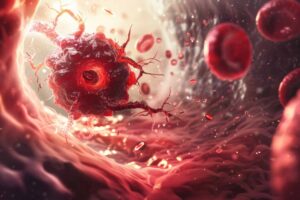
The findings support the idea that the gut microbiota modulates immune responses, suggesting new avenues for cancer treatment.

The findings suggest that the development and maturation of the nasal microbiota are influenced by age and sex, while lifestyle factors shape the throat microbiota.

Microbiomepost conducted an exclusive interview with Mireia Romagosa Vilarnau, Argenta Global, about the registration of microbial products.

An analysis conducted by MicrobiomePost reveals an encouraging trend toward gender parity among speakers at major microbiome-focused conferences globally.

The findings show that TDCA inhibits LCA production and suggest that it may contribute to the beneficial effects of bariatric surgery on blood sugar levels.
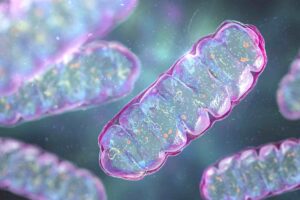
The findings of a recent study may pave the way for new therapeutic strategies that target mitochondrial health to treat inflammatory conditions such as IBD.